
Plants
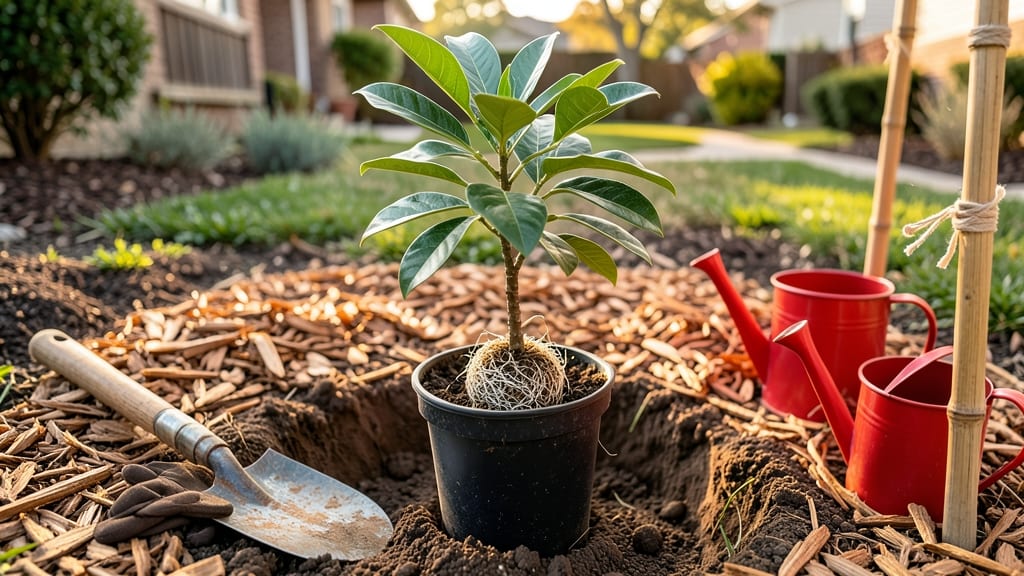
Planting an avocado tree 🥑 in the ground at the wrong time can mean the difference between a thriving orchard and a sad, wilted sapling.
If you’ve ever watched your new sapling shiver under a late frost or struggle to root in scorching summer heat, you know timing isn’t just important—it’s critical for survival. The best window depends on your USDA zone, but for most gardeners, spring after the last frost is the sweet spot.
In cooler zones like 6a-10a, aim for early spring (March-April) when soil warms to 60°F+—too soon, and roots risk frost damage; too late, and summer heat can stress young plants. Meanwhile, frost-free areas can plant year-round, but fall offers a second chance for established trees.
Below, I break down the exact months for your zone, plus how to prep soil, choose the right spot, and avoid the three biggest planting mistakes that kill avocado trees before they even take root.
Best planting months for avocado trees by USDA hardiness zones
Avocado trees (Persea americana) thrive in warm climates but struggle with frost, making timing your most critical factor for success. In USDA Zones 9-11, you can plant year-round, while Zones 7-8 require careful spring timing to avoid frost damage.
Even within zones, coastal vs. inland microclimates create 2-4 week planting window shifts—so let’s break it down by zone and region.
For Zones 9-11, where frost is rare, the ideal window stretches from February through November, with peak success in March-May when soil temps hit 65°F+.
In Zones 7-8, however, you must plant after your last frost date—typically late April to early June—and avoid fall planting, as young trees won’t harden off in time for winter. Coastal areas in these zones can plant 2-3 weeks earlier thanks to milder winters.
Soil temperature is your true north for planting. Avocado roots need 60°F+ soil temps to establish—use a soil thermometer to confirm before planting. Inland areas often lag 1-2 weeks behind coastal zones due to slower warming.
For example, San Diego (Zone 10a) might plant in February, while Phoenix (Zone 9b) waits until March—both ideal, but the timing reflects local heat buildup.
Here’s how your USDA Zone and microclimate dictate the best planting window for avocado trees:
| USDA Zone | Best Planting Window | Soil Temp Requirement | Frost Risk | Coastal vs. Inland Shift |
|---|---|---|---|---|
| Zone 7 (e.g., Atlanta, GA) | Late April–Early June | 65°F+ (confirm with thermometer) | High (avoid fall planting) | Coastal: 2 weeks earlier |
| Zone 8 (e.g., Orlando, FL) | March–May | 60°F+ | Moderate (light frosts possible) | Inland: 1 week later |
| Zone 9 (e.g., Los Angeles, CA) | February–November | 55°F+ | Low (rare frosts) | Coastal: Year-round |
| Zone 10 (e.g., Miami, FL) | January–December | 50°F+ | None | Inland: Avoid winter |
| Zone 11 (e.g., Hawaii) | Year-round (peak: March–May) | 45°F+ | None | N/A (tropical climate) |
If you’re in Zone 7 or 8, spring planting is non-negotiable. The last frost date in your area (check Almanac.com) marks your minimum safe window, but wait 2-4 weeks afterward to ensure roots establish before summer heat.
For example, Atlanta (Zone 7b) averages its last frost on March 15, but I plant by April 15 to avoid early-season stress.
In Zones 9-11, the rules relax dramatically. Coastal areas like San Diego or San Francisco can plant as early as January because ocean breezes moderate temps, while inland Phoenix or Tucson may wait until March to avoid late-winter cold snaps.
Even in frost-free zones, soil temperature trumps the calendar—plant when roots can actively grow, not just when it’s "seasonal."
Pro tip: Container-grown avocados adapt faster than bare-root trees, so you can plant 1-2 weeks earlier in cooler zones. Just acclimate them for 7-10 days before transplanting to reduce shock.
For bare-root trees, soak roots in water + rooting hormone for 2 hours pre-planting to jumpstart growth in cooler soil.
One common mistake? Planting too late in Zone 8 and risking
How to prepare your avocado tree for ground planting: pre-timing checklist
Before you rush to plant your avocado tree in the ground, proper preparation can make the difference between a thriving tree and one struggling to survive.
The key lies in understanding your tree’s current state—whether it’s bare-root or container-grown—and adjusting your timeline accordingly. Root pruning and acclimation are non-negotiable steps to minimize transplant shock, especially in tropical or subtropical climates where avocados thrive.
For bare-root avocado trees, timing is critical because their roots are exposed and vulnerable. You’ll need to prune roots and soak them before planting to encourage faster establishment. Meanwhile, container-grown trees require a gradual transition to outdoor conditions to avoid stress.
Both types demand well-draining soil with a slightly acidic pH (6.0–7.0) to prevent root rot—a common killer of young avocado trees.
Pre-Planting Checklist for Avocado Trees
- 1 Assess root condition: For bare-root trees, trim roots longer than 6 inches to encourage a dense root system. For container-grown trees, gently loosen roots to prevent circling.
- 2 Acclimate container-grown trees: Move pots outdoors for 1-2 weeks before planting, gradually increasing sun exposure to match your planting site. Start with morning sun only.
- 3 Test and amend soil: Aim for well-draining soil with a pH of 6.0–7.0. Amend heavy clay with sand or compost, and mix in organic matter for nutrient retention.
- 4 Soak bare-root trees: Submerge roots in water for 1-2 hours before planting to rehydrate and reduce transplant shock. Drain excess water to prevent root suffocation.
- 5 Schedule planting after last frost: In cooler zones (USDA 7-9), wait until soil temperatures reach 60°F+ (15°C+). In frost-free zones (USDA 10-11), plant during spring rains or late summer to avoid drought stress.
- 6 Mulch and water deeply: Apply 2-3 inches of mulch (wood chips or straw) to retain moisture and regulate soil temperature. Water thoroughly after planting to eliminate air pockets.
✅ Pro Tip: Avoid planting during extreme heat (above 90°F/32°C), as it increases transplant shock risk. Early morning or overcast days are ideal.
If you’re planting in USDA Zone 10 or warmer, you’ve got more flexibility—your avocado tree can go in the ground year-round, but spring or fall still offers the best conditions.
The goal is to give your tree’s roots time to establish before the hottest months, when water demands spike and soil moisture can become a challenge.
Remember, container-grown trees often handle transplanting better than bare-root varieties because their roots are already established in a soil medium. However, they still need proper acclimation to avoid leaf scorch or wilting.
For both types, mulching and consistent watering are your best defenses against transplant shock in the first 30-60 days after planting.
Once your avocado tree is in the ground, monitor its progress closely. Yellowing leaves or stunted growth could signal root stress or nutrient deficiencies. Adjust your care routine accordingly—perhaps by fertilizing lightly with a balanced NPK blend (like 6-6-6) to support recovery.
With the right prep, your tree will be well on its way to becoming a fruit-bearing giant in no time!