
Plants
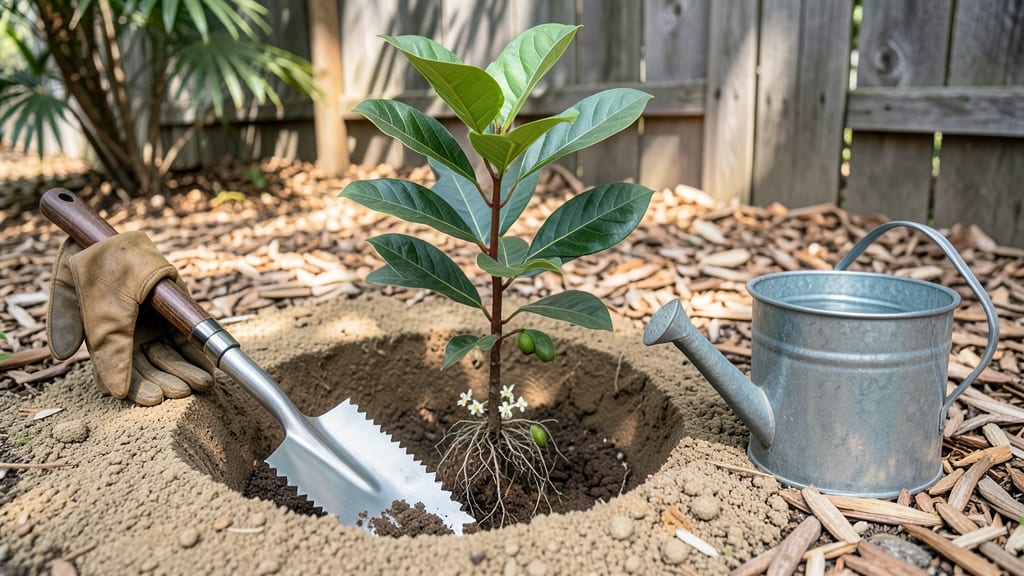
To plant a mango tree in ground at the right time means the difference between a fast-growing tropical beauty and a struggling sapling that never takes hold.
Planting a mango tree 🥭 at the wrong time can mean the difference between a thriving tropical treasure and a struggling sapling—so timing is everything for root success.
In frost-free zones like USDA 10-12, you can plant year-round, but marginal zones (like 9b) need late winter timing to avoid frost damage.
Here’s the key: soil temperature should stay above 60°F for roots to establish, and rainfall patterns matter just as much. Planting in the wrong season can stall growth for years, but getting it right means faster fruiting and a stronger tree.
Below, I break down the exact months for your zone, how to read your climate’s readiness, and the 3 mistakes that stall root growth—so you can skip the guesswork and plant for success.
Best planting months for mango trees by USDA climate zones
Timing your mango tree planting depends entirely on your USDA hardiness zone. In frost-free zones (10-12), you can plant year-round, but cooler zones (7-9b) require precise timing to avoid frost damage during winter dormancy.
The key is planting when soil temperatures stay above 60°F (15°C) consistently—this ensures roots establish before cooler weather arrives.
For USDA Zone 10-11, the ideal planting window spans from February through April and again from September to November. These months offer balanced humidity and moderate temperatures, reducing transplant shock.
In Zone 9b, where light frosts may occur, late winter (February-March) is critical—plant before spring rains arrive to prevent waterlogged soil.
In Zone 8 and colder, mango trees are not reliably frost-hardy, but microclimates near heat-retaining walls or container growing can extend their range. If attempting Zone 7-8, plant in late spring (May) and move containers indoors when nighttime temps drop below 50°F (10°C).
Always use dwarf varieties like 'Cogshall' for better cold tolerance.
| USDA Zone | Best Planting Months | Soil Temp Requirement | Frost Risk | Special Notes |
|---|---|---|---|---|
| 10-12 | Year-round (avoid extreme heat) | 60°F+ (15°C+) | None | Fastest growth in spring/fall |
| 9b | February-March, September-October | 60°F+ (15°C+) | Light frost possible | Use containers for winter protection |
| 8 | May (late spring only) | 65°F+ (18°C+) | High frost risk | Dwarf varieties only; indoor wintering required |
| 7 | June (with heat protection) | 70°F+ (21°C+) | Severe frost risk | Greenhouse or container growing only |
| Microclimates (e.g., urban heat islands) | March-April or September | 60°F+ (15°C+) | Reduced but present | Plant near south-facing walls for warmth |
In Zone 10-11, avoid planting during peak summer months (June-August) when intense heat and drought stress can shock young roots. Instead, opt for early morning planting when temperatures are cooler, and mulch heavily to retain moisture.
In Zone 9b, September-October planting gives roots time to establish before winter chill sets in.
For Zone 8 and colder, success hinges on microclimate selection. Choose south-facing locations near heat-absorbing surfaces like brick walls or patios. If using containers, select insulated pots and winterize with bubble wrap or straw mulch.
Always acclimate plants gradually to outdoor conditions in spring to avoid transplant shock.
One critical mistake is planting too late in the season, leaving roots vulnerable to early frosts. In Zone 9b, for example, planting after mid-October risks root damage before dormancy sets in.
Similarly, Zone 10-11 gardeners should avoid planting in December-January when dry winds and low humidity slow root growth.
To maximize root establishment, always amend soil with compost and sand for well-draining conditions. In heavy clay soils, consider raised beds to prevent waterlogging. After planting, water deeply every 5-7 days and avoid fertilizing for the first 3 months to reduce stress on new roots.
Remember, mango trees thrive on consistency. Whether you're in tropical Zone 11 or marginal Zone 9b, the golden rule is to plant when soil stays warm and frost risk is minimal. With the right timing and care, your tropical treasure will reward you with sweet fruit
Signs your climate is ready for mango tree planting
Mango trees thrive in warm climates, but knowing the exact right time to plant depends on your local conditions. Unlike frost-hardy trees, mangoes need consistent warmth to establish strong roots.
I’ve learned that watching for seasonal cues like soil temperature and rainfall patterns prevents transplant shock and sets your tree up for success.
In frost-free zones (USDA 10-12), you can plant year-round, but the best windows are during mild, wet seasons when the ground isn’t bone-dry. For marginal zones (9b-10a), timing is critical—wait until after the last frost threat and when daytime temps stay above 65°F (18°C) consistently.
This ensures your sapling doesn’t suffer from cold stress.
- 1 Soil temperature reaches 60°F (15°C)+ at 6-inch depth. Use a soil thermometer to confirm—cold soil stalls root growth.
- 2 Rainfall patterns show 1+ inches of rain weekly or steady moisture. Drought conditions during planting stress young roots—supplement with irrigation if needed.
- 3 New leaf flush appears on nearby plants. This signals active growing season—ideal for transplanting when your mango’s metabolism is primed for recovery.
- 4 Humidity stays above 50%. Low humidity increases transplant shock risk—mulch heavily to retain moisture and reduce stress.
- 5 No extreme heat (>95°F/35°C) is forecast for 2 weeks post-planting. High temps dry out soil and roots too quickly—plan for cooler days.
Another key sign is the absence of pests like aphids or scale insects, which thrive in warm, humid conditions. If you spot these on nearby plants, treat the area first—your mango tree’s young leaves are a buffet for them.
I once planted a sapling during a pest outbreak and lost half its foliage before it could recover.
For container-grown mangoes, check the root system before planting. If roots are circling the pot or tightly bound, it’s time to transplant—even if the calendar says “wait.” Root-bound trees struggle to adapt, so prioritize root health over rigid timing rules.
In my garden, I’ve had better success transplanting slightly root-bound trees in ideal conditions than waiting for perfect roots.
Finally, trust your local gardening community. Ask neighbors with mature mango trees when they planted theirs—experienced growers notice subtle cues like bird activity (more pollinators = better flowering season ahead) or leaf drop patterns in native plants. These clues often reveal microclimate nuances your weather app might miss.
Once you’ve confirmed these signs, act quickly! Mango trees establish roots faster in wet, warm soil, so don’t delay. With the right timing, your sapling will reward you with vibrant new growth within weeks—proof you’ve nailed the planting window. 🌱🥭