
Pruning
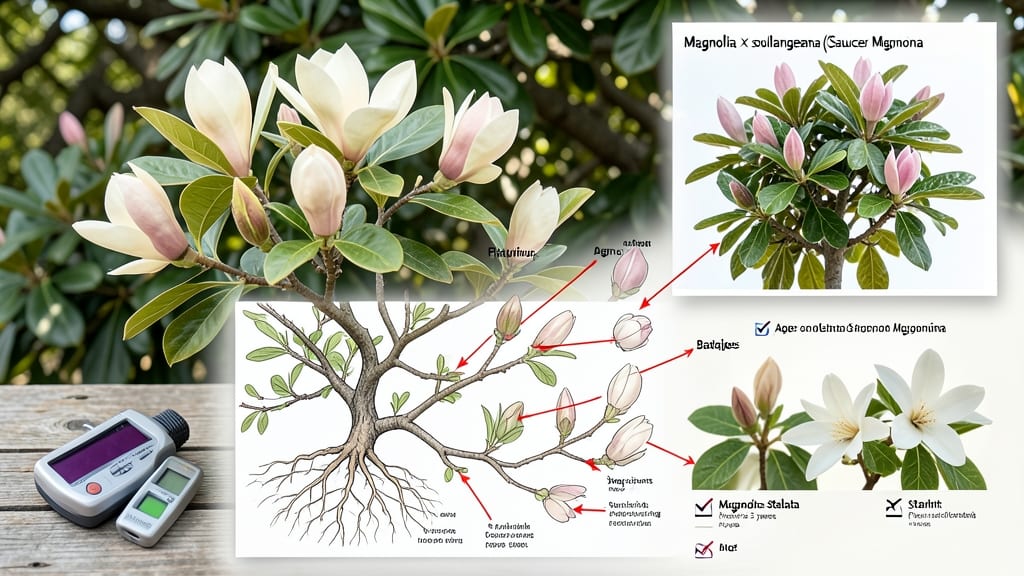
Why doesn’t my magnolia tree flower? The answer might be simpler—and fixable—than you think. 🌸 The most common culprits—age, light deprivation, or aggressive pruning—are easier to troubleshoot than you think, and many solutions take just a few minutes to implement. Most magnolias need 5-10 years to mature before flowering, but poor light or over-pruning can delay blooms indefinitely. I’ve seen trees with perfect care still struggle—until we adjusted the pruning schedule or added a grow light in their shady corner. The fix often comes down to timing and observation. You’ll know you’re on the right track when you see fresh, dark green leaves and new growth in spring. That’s the tree’s way of saying, “I’m ready to bloom—just give me what I need.” Small changes can make a big difference over a single season. Let’s start with the most likely reasons your tree is playing hard to bloom—and how to encourage those iconic flowers without waiting another decade.
The Hidden Reasons Flowers Skip
If your magnolia tree is refusing to bloom, the culprit is likely one (or more!) of these common factors—each rooted in science and environmental cues. Understanding why your tree is holding back its floral display is the first step to coaxing those stunning blooms back into action.
Magnolias are slow growers—some varieties, like Magnolia grandiflora (Southern magnolia), can take 5–10 years to produce their first flowers. Others, such as Magnolia stellata (star magnolia), may bloom earlier (as young as 3–5 years), but they still need time to establish a robust root system and energy reserves.
Why it happens: Magnolia trees prioritize structural growth (trunk, branches, leaves) over reproductive growth (flowers) until they reach a critical size. Their meristem cells (growth points) must mature enough to support heavy, nutrient-demanding blooms. Without sufficient biomass, the tree conserves energy for survival rather than showy displays.
Actionable fix:
- Patience is key! If your tree is under 5 years old, give it time. Focus on well-draining soil and consistent moisture to accelerate root development.
- Check the variety: Some magnolias (like Magnolia × soulangeana) bloom on older wood and may take longer than spring-blooming types.
- Mulch properly: Apply 2–3 inches of organic mulch (like pine bark or compost) to retain moisture and encourage root expansion. Pro tip: 🌡️ Keep mulch 6 inches away from the trunk to prevent rot.
Magnolias are light-loving plants, and insufficient sunlight directly impacts their flowering hormones. Most varieties require full sun (6–8 hours daily), while a few (like Magnolia denudata) tolerate partial shade—but even they struggle to bloom without adequate light.
Why it happens:
- Photosynthesis slowdown: Low light reduces the tree’s ability to produce carbohydrates (its energy currency). Flowers are metabolically expensive—they demand 30–50% more energy than leaves. Without enough sunlight, the tree simply can’t afford to bloom.
- Hormonal shift: In shade, magnolias may produce more vegetative growth hormones (auxins) than floral initiation hormones (florigen), delaying or preventing blooms.
- Temperature stress: Shady spots often stay cooler, and magnolias need warmth (60–80°F) to trigger flowering. Cool soil and air can halt bud development entirely.
Actionable fix:
- Assess your tree’s location: If surrounded by taller trees or structures, consider selective pruning of competing foliage (but avoid trimming magnolia branches—this can reduce next year’s blooms).
- Choose the right spot: If replanting, pick a south- or west-facing area for maximum sunlight. Pro tip: 🌞 Dwarf varieties (like Magnolia ‘Little Gem’) can thrive in partial shade but may bloom less prolifically.
- Avoid moving mature trees: Transplanting established magnolias can shock the root system, delaying flowers for 1–2 years as it recovers.
Most magnolias need a period of dormancy in cold temperatures to trigger flowering. Without adequate winter chill hours (300–900 hours below 45°F, depending on the species), buds may fail to open—or form at all.
Why it happens:
- Dormancy cue missing: Magnolias are dormant-flowering plants, meaning they require cold stratification (a natural "reset" period) to break dormancy and initiate flower buds. Without it, buds remain vegetative (leaf-focused) instead of reproductive (flower-focused).
- Global warming impact: Warmer winters in many regions provide fewer chill hours, causing magnolias to skip flowering. Some varieties (like Magnolia ‘Ann’) are bred for low-chill zones but still need at least 200 chill hours.
- Urban heat islands: Pavement and buildings can raise microclimates by 10–20°F, further reducing effective chill time.
Actionable fix:
- Check your hardiness zone: Match your magnolia variety to your USDA zone. For example:
| Variety | Chill Hours Needed | Best Zones |
|---|---|---|
| Magnolia grandiflora (Southern magnolia) | 200–400 hours | 6–10 |
| Magnolia stellata (Star magnolia) | 400–600 hours | 4–8 |
| Magnolia × soulangeana (Saucer magnolia) | 600–900 hours | 4–9 |
- Artificial chill (last resort): In zone 9+, wrap the tree in burlap or frost cloth during winter to lower canopy temperatures slightly. Avoid plastic—it can trap heat.
- Choose low-chill varieties: If you’re in a warm climate, opt for ‘Teddy Bear’ or ‘Jane’ magnolias, which bloom with fewer chill hours.
Magnolias hate aggressive pruning, especially when it comes to flower buds. Many varieties bloom on old wood (last year’s growth), so cutting back too much can remove next year’s flowers entirely.
Why it happens:
- Bud location: Flower buds form in late summer/fall on mature wood. Pruning in late winter or early spring (when buds are visible) can sever these buds before they open.
- Stress response: Heavy pruning triggers wound hormones (ethylene), which can delay or prevent flowering as the tree diverts energy to healing.
- Over-thinning: Removing too many branches reduces the tree’s leaf canopy, limiting its ability to photosynthesize and store energy for blooms.
Actionable fix:
- Prune at the right time:
- After flowering: Prune dead, diseased, or crossing branches immediately after blooms fade (but never in fall or winter).
- Avoid summer pruning: Trimming in summer can stimulate new growth that
Revive Your Magnolia’s Bloom
If your magnolia tree is refusing to flower, don’t panic—most issues have simple fixes! Below, we’ve mapped out the most common causes and actionable solutions to get those stunning blooms back.
Whether it’s age, light, pruning, or nutrition, we’ve got you covered with practical steps and prevention tips to keep your magnolia thriving.
Magnolias often take 3–10 years to mature enough for blooms, depending on the variety. If your tree is still young, focus on patience and proper care.
🔥 How to Help a Young Magnolia
- 🌿 Provide Ideal Growing Conditions
- Plant in well-draining, slightly acidic soil (pH 5.0–6.5). Amend heavy clay with compost or peat moss.
- Choose a sunny spot with partial shade (morning sun, afternoon shade works best for many varieties).
- 💧 Water Deeply but Less Frequently
- Water 1–2 inches per week, ensuring the root zone stays moist but not soggy. Overwatering can stress young roots.
- 🍽️ Feed with the Right Nutrients
- Use a balanced, slow-release fertilizer (10-10-10) in early spring. Avoid high-nitrogen fertilizers—they promote leafy growth over flowers.
- Pro Tip: 🌡️ Apply a magnolia-specific fertilizer (like Espoma Magnolia-Tazonia) for a bloom-boosting edge.
⏳ Prevention for Future Blooms
- 📅 Avoid Heavy Pruning until the tree is established (5+ years old). Prune only to remove dead or crossing branches.
- 🌿 Mulch Annually with 2–3 inches of organic mulch (like pine bark) to retain moisture and improve soil health.
Magnolias need bright, indirect light to set buds. Too much shade or harsh afternoon sun can stunt flowering.
🍳 How to Optimize Light Exposure
- 🌳 Move or Thin Surrounding Trees
- If your magnolia is in deep shade, consider transplanting it to a sunnier location (best done in early spring or fall).
- If moving isn’t an option, prune nearby trees or shrubs to increase light penetration.
- 🔄 Rotate Potted Magnolias
- If your magnolia is in a container, rotate it every few weeks so all sides get equal light.
- 🌿 Use Reflective Surfaces
- Place light-colored walls or mirrors nearby to bounce extra sunlight onto the tree.
🌡️ Prevention Tips
- 🎯 Plant in the Right Location from the start—magnolias hate being moved once mature.
- 💡 Monitor Light Changes after storms or seasonal shifts. Adjust pruning as needed.
Pruning at the wrong time or too aggressively can remove next year’s flower buds. Magnolias bloom on old wood, so timing and technique matter!
👨🍳 How to Prune Correctly
- ⏰ When to Prune
- ✅ Best Time: Right after flowering (late spring) or in early summer (before new growth hardens).
- ❌ Avoid Pruning: Never prune in fall or winter—this removes next year’s buds!
- 🔪 How to Prune
- Only remove dead, diseased, or crossing branches. Never "thin out" the canopy aggressively.
- Use clean, sharp pruners to make cuts just above a bud or branch collar.
- Pro Tip: 🌿 If your magnolia has long, leggy branches, you can lightly trim the tips to encourage bushier growth—but avoid heavy cuts.
🌟 Prevention for Future Blooms
- 📝 Mark Pruning Zones with flags or paint to avoid accidental cuts.
- 🌿 Feed After Pruning with a low-nitrogen, high-phosphorus fertilizer (like 5-10-10) to support recovery.
Compacted soil, poor drainage, or root stress can prevent flowering. Healthy roots = happy blooms!
🔥 How to Improve Soil and Roots
- 🌿 Aerate Compacted Soil
- Use a garden fork or aerator to loosen soil around the root zone (avoid damaging roots).
- Mix in compost or organic matter to improve drainage and nutrients.
- 💧 Fix Drainage Problems
- If your magnolia sits in water after rain, consider raising the planting bed or adding a French drain.
- 🍽️ Test and Amend Soil pH
- Use a soil test kit to check pH. If too alkaline, add sulfur or peat moss to lower it.
- Pro Tip: 💡 For acid-loving magnolias, use pine bark mulch—it naturally acidifies the soil over time.
🌱 Prevention Tips
- 🎯 Plant in Well-Draining Soil from the start—avoid low-lying areas where water pools.
- 💧 Water at the Base to keep foliage dry and prevent fungal issues.
Magnolias need balanced nutrition, especially phosphorus and potassium, to produce flowers. Too much nitrogen = leafy growth, no blooms!
🍳 How to Fertilize for Blooms
- 📊 Choose the Right Fertilizer
- Use a low-nitrogen, high-phosphorus formula (e.g., 5-10-5 or 6-12-6) in early spring.
- Avoid quick-release fertilizers—they can burn roots.
- 🌿 Apply Slow-Release Granules
- Sprinkle granules around the drip line (outer edge of the canopy) and water deeply.
- Pro Tip: 🌡️ For a natural boost, top-dress with well-rotted manure or bone meal in early spring.
✨ Prevention Tips
- 🎯 Avoid Over-Fertilizing—more isn’t better! Follow package instructions.
- 💧 Water After Fertilizing to help nutrients absorb into the soil.
With these targeted fixes, your magnolia should start showing signs of new buds within 1–2 seasons. Keep an eye on its progress, and don’t hesitate to adjust care as needed. Happy gardening! 🌸🌿
Frequently asked questions
How can I tell if my magnolia tree is too young to bloom?
Most magnolias need 5-10 years to mature before producing flowers. Look for these signs of readiness: thick trunk (2+ inches diameter), dense foliage, and new growth extending past last year's branches. Young trees focus energy on root and branch development first.
Will moving my magnolia to a sunnier spot help it bloom?
Most magnolias need 6-8 hours of sunlight daily to set flower buds. If your tree is in shade, move it to a south or west-facing location for maximum light exposure. Just remember: established trees hate being transplanted—only move young specimens (3-5 years old) for best results.
Why did my magnolia bloom last year but not this year?
Several factors could cause this: insufficient winter chill hours (especially in warm climates), over-pruning that removed flower buds, or nutrient deficiencies. Check if your tree got 300-900 chill hours below 45°F this winter—many modern varieties need this cold period to trigger blooming.
Can I prune my magnolia if it's not flowering?
Yes, but with caution! Only remove dead, diseased, or crossing branches—never thin out more than 25% of the canopy. The worst time to prune is fall or winter, as this removes next year's flower buds. Wait until late spring after blooming for safe pruning.
What's the fastest way to encourage blooms?
For immediate results, focus on three key fixes:
- Fertilize with a low-nitrogen, high-phosphorus formula (like 5-10-5) in early spring,
- Ensure full sun, and
- Avoid pruning until after blooming. Combine these with consistent watering and you should see buds forming within 1-2 seasons.