
Pruning
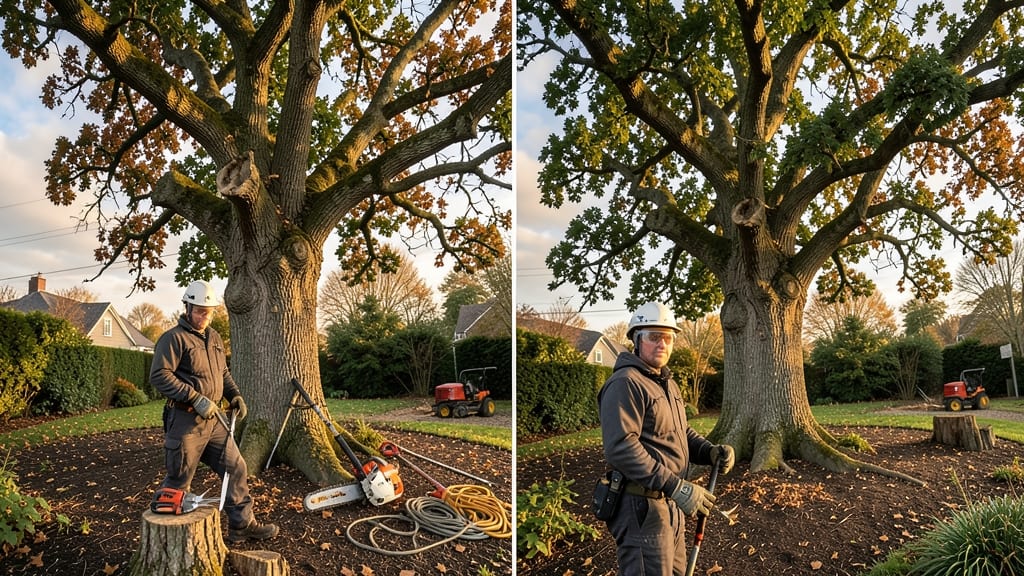
Tree lopping is important because it prevents hazards like falling branches, reduces disease spread, promotes healthier growth, and extends tree longevity by removing dead or overgrown limbs safely and strategically.
Tree lopping isn't just about aesthetics—it's a critical practice for maintaining tree health and safety. 🌳 When done properly, it redirects energy to stronger growth, prevents structural weaknesses, and minimizes risks like storm damage.
I've seen firsthand how neglected trees become hazardous, with dead branches posing threats to homes and power lines. The key is timing and technique: removing limbs at the right season and making clean cuts prevents decay and encourages new growth.
Beyond safety, professional lopping also boosts a tree's lifespan by removing diseased or infested branches before they spread. This is especially important in urban areas where trees face additional stress from pollution and compacted soil.
Many homeowners underestimate how quickly small issues can escalate—what starts as a minor branch can become a major liability if left unchecked.
💡 In This Article
- How Improper Tree Lopping Damages Tree Health
- Safety and Legal Considerations for Tree Lopping
How improper tree lopping damages tree health
Improper tree lopping can trigger a cascade of biological problems that weaken a tree's structural integrity. When cuts are made too close to the trunk—what arborists call "topping"—the bark often tears, exposing the vulnerable cambium layer.
This layer acts like a tree's circulatory system, transporting water and nutrients. Once damaged, it creates open wounds that invite fungal infections like Armillaria root rot, which can kill a tree within months. 🌟
Another critical issue is improper branch collar removal. The branch collar is the thickened area where the branch meets the trunk, containing specialized cells that help heal the wound. Cutting into this area instead of leaving it intact creates a permanent weak point that never fully seals.
Studies show trees with improper cuts are 30-50% more likely to develop decay compared to those with proper pruning techniques. The wrong cut angle also causes water to pool in the wound, accelerating rot.
Over-lopping removes too much foliage at once, forcing the tree to divert energy from root growth and fruit production to regrow leaves. This stress makes trees more susceptible to pests like borers and aphids, which target weakened wood.
I've seen mature oak trees lose 40% of their canopy after aggressive lopping, resulting in stunted growth for years. The key is removing no more than 25% of the canopy in a single session to avoid shocking the tree.
Poor timing worsens damage. Lopping during late winter or early spring—when trees are still dormant—can expose them to frost damage. Meanwhile, summer lopping stresses trees by removing their primary food source just as they're photosynthesizing.
Professional arborists follow the three-cut method for larger branches: an undercut, a relief cut, and a final cut just outside the branch collar. This technique prevents tearing and ensures clean healing.
Even the tools matter. Using dull saws or shears creates jagged edges that tear bark, while proper pruning shears make clean cuts that heal faster. The difference is visible within weeks: improper cuts remain open and unsightly, while professional cuts seal with callus tissue within 1-2 growing seasons.
This callus tissue is the tree's natural defense mechanism, forming a protective barrier over the wound.
Consider this real-world example: A 100-year-old maple tree in my neighborhood lost half its branches after a DIY lopping attempt. Within two years, the tree developed a massive fungal infection at the base, requiring emergency removal.
The cost to replace it? Over $10,000. Proper lopping would have preserved its health for decades longer.