
Diseases
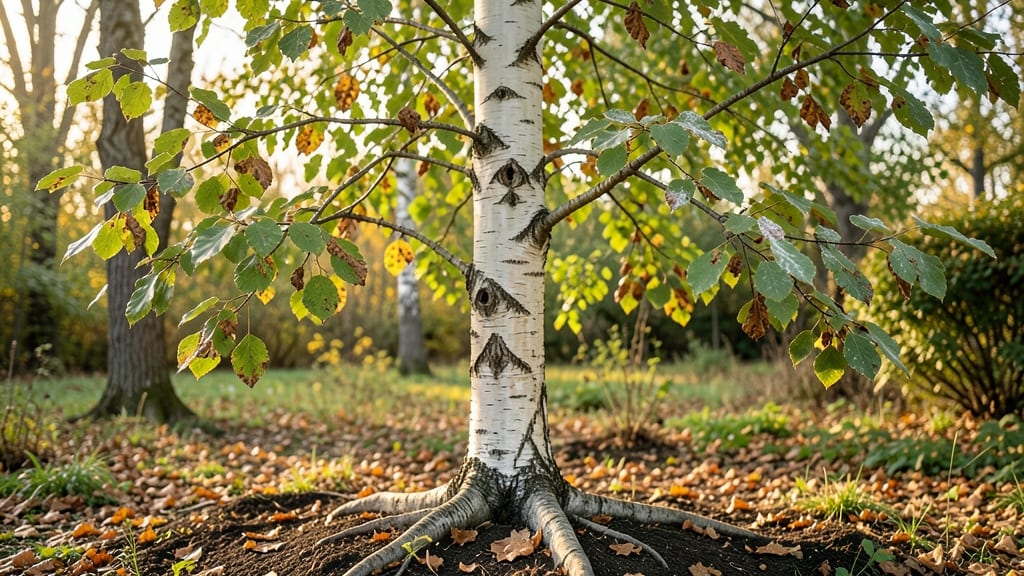
Your birch tree’s leaves are whispering warnings—spots, wilting, or strange discoloration that shouldn’t be ignored. 🌿 Birch trees are tough, but diseases like anthracnose, leaf blight, or even the sneaky bronze birch borer can turn vibrant foliage into a sad, brittle mess if you don’t catch them early.
The good news? Most issues are fixable with the right know-how and a little proactive care.
Those dark spots or yellowing edges you’re seeing? They’re often signs of fungal infections thriving in wet conditions or poor air circulation. Bronze birch borer, on the other hand, starts with wilting leaves and bark cracks—by then, it’s already too late to save the tree.
The key is acting fast: prune affected branches, improve drainage, and treat with organic sprays like neem oil or copper fungicide before the problem spreads.
With early detection, you can restore your birch’s healthy, lush canopy in just a few seasons. Think of it like catching a cold before it becomes pneumonia—small steps now prevent a full-blown crisis later.
The goal isn’t just to treat symptoms but to strengthen the tree’s defenses so it bounces back stronger than ever.
Whether you’re dealing with a young sapling or a mature shade tree, the same principles apply: monitor leaves regularly, address issues at the first sign, and give your birch the right conditions to thrive. Your tree’s future depends on how quickly you listen to what it’s trying to tell you.
Root Causes Behind Leaf Issues
When birch tree leaves start showing signs of disease—whether it’s discoloration, spots, or premature drop-off—the culprits are rarely random. Instead, they stem from a mix of biological stressors, environmental mismatches, and human (or animal) interference.
Understanding these root causes is the first step to preventing or treating the problem before it spreads. Let’s break down the science behind why your birch tree’s leaves might be under attack.
Fungi are the most common cause of birch leaf diseases, thriving in moist, humid conditions. These microscopic organisms release spores that latch onto leaves, disrupting photosynthesis and causing:
- Leaf spots: Dark, irregular patches (often with yellow halos) caused by pathogens like Marssonina brunnea (birch leaf spot) or Gloeodes pomigena (anthracnose). These fungi exploit weak spots in the leaf cuticle, entering through stomata or wounds.
- Premature defoliation: Severe infections force the tree to shed leaves early, leaving it vulnerable to stress or winter damage. Fungal hyphae (thread-like structures) can also spread to twigs, leading to cankers.
- Environmental triggers: Fungal spores germinate best in wet springs or summers (think frequent rain or overhead watering). Poor air circulation—common in dense plantings—extends leaf wetness, giving fungi more time to colonize.
Pro Tip: 🌡️ Monitor leaf wetness with a leaf wetness sensor (or the "20-second shake test"—if water beads don’t fall off within 20 seconds, conditions are prime for fungi). Prune for airflow and avoid watering leaves in the evening.
Insects and mites don’t just eat leaves—they transmit diseases and create entry points for secondary infections. Here’s how they sabotage birch foliage:
- Birch leafminers (Fenusa pusilla): Larvae tunnel between leaf layers, causing blisters, stippling, and distorted growth. Their frass (poop) clogs stomata, reducing gas exchange.
- Aphids and scale insects: These sap-suckers inject toxins that trigger yellowing or curling. They also excrete honeydew, a sticky residue that fosters sooty mold—a black fungal film that blocks sunlight.
- Spider mites (Tetranychus urticae): In drought conditions, they puncture leaf cells, causing stippling (white/yellow dots) and premature leaf drop. Their silk webbing is a dead giveaway.
Key Insight: 🔍 Pests thrive when birch trees are stressed (drought, poor soil, or recent transplant shock). A single infestation can spiral into a full-blown disease if left unchecked.
Birch trees are hardy, but extreme or inconsistent conditions can weaken their defenses, making them susceptible to diseases. The top offenders:
| Stressor | How It Harms Leaves | Disease Risk |
|---|---|---|
| 💧 Overwatering or poor drainage | Waterlogged roots starve leaves of oxygen, causing chlorosis (yellowing) and stunted growth. | Root rot (Armillaria), fungal leaf spots |
| ☀️ Heatwaves or drought | Leaves curl or scorch (brown edges), and stomata close to conserve water—trapping pathogens inside. | Powdery mildew (Erysiphe), spider mites |
| ❄️ Late frost or winter burn | New growth emerges too early, getting frost-nipped (brown, crispy tips). Weakened cells invite fungal infections. | Anthracnose, bacterial leaf scorch |
| 🌬️ Pollution or urban grime | Particulate matter clogs stomata, reducing gas exchange. Sulfur dioxide (from car exhaust) causes chlorotic flecking. | Secondary fungal infections |
Actionable Fix: ✨ Mulch properly (2–4 inches of organic mulch) to regulate soil moisture and temperature. In cities, wash leaves with water occasionally to remove dust.
Birch trees are not heavy feeders—over-fertilizing (especially with nitrogen) can do more harm than good. Here’s how nutrients gone wrong trigger leaf problems:
- Excess nitrogen: Leads to soft, pale green leaves that are susceptible to fungal infections (like powdery mildew) because they’re less tough. It also delays dormancy, making trees vulnerable to late-season frost.
- Magnesium/iron deficiency: Causes interveinal chlorosis (yellowing between veins), weakening the leaf’s structural integrity. Deficient leaves are 3x more likely to crack when infected by pathogens.
- Salt buildup (from de-icing or poor water quality): Damages root tips, reducing nutrient uptake. Symptoms include brown leaf margins and a salty crust on soil.
Soil Test Tip: 💡 Before fertilizing, test your soil’s pH (birch trees prefer 4.5–7.0). If levels are off, amend with elemental sulfur (to lower pH) or lime (to raise pH) gradually.
By pinpointing the specific stressor behind your birch tree’s leaf issues, you can target treatments—whether it’s fungicides for infections, pest controls for infestations, or cultural fixes for environmental damage. The key? Act early before symptoms escalate from leaves to branches.
Revitalize Your Birch Tree Leaves
Now that you’ve identified the issues plaguing your birch tree’s leaves, it’s time to roll up your sleeves and get to work! 🌿🛠️ The good news? Most birch tree diseases and leaf problems can be managed—or even prevented—with the right approach.
Below, we’ll break down practical, step-by-step solutions tailored to each cause, plus prevention tips to keep your tree thriving for years to come.
Fungal diseases like birch leaf rust, powdery mildew, or anthracnose thrive in damp, shaded conditions. Here’s how to tackle them:
🔥 Step 1: Remove Infected Foliage Immediately
- 🍳 Gather tools: Wear gloves and use pruners or sharp shears.
- 👨🍳 Trim aggressively: Cut off all leaves showing signs of fungus (spots, discoloration, or powdery residue).
Don’t leave them on the ground—bag them up and dispose of them in the trash (not compost). - ⏰ Timing matters: Do this in early morning or late afternoon to avoid spreading spores in wind or rain.
🥘 Step 2: Apply Fungicide
- 💡 Organic option: Use a copper-based fungicide (like copper soap) or a neem oil spray (1 tbsp neem oil + 1 tsp mild soap per quart of water).
Spray both sides of leaves and the trunk. - 🎯 Chemical option: For severe cases, a systemic fungicide (e.g., chlorothalonil) may be needed. Follow label instructions carefully. - 🌡️ Frequency: Reapply every 7–14 days during wet seasons or after heavy rain.
🔪 Step 3: Improve Airflow and Light
- ✨ Thin the canopy: If branches are too dense, prune to open up the tree—this reduces humidity and fungal spread.
- 🌞 Ensure sunlight: If your birch is in a shady spot, consider thinning nearby trees or shrubs to let more light in.
💡 Prevention Tip: Water at the base of the tree (not overhead) and avoid late-day watering to keep leaves dry.
Insects like birch leafminers, aphids, or scale can turn vibrant leaves into skeletonized messes. Here’s how to evict them:
🔥 Step 1: Manual Removal (For Light Infestations)
- 🍳 Scrape off scale insects: Use a soft brush or cloth dipped in soapy water to wipe off scale from branches.
- 👨🍳 Handpick leafminers: If you see tunnels in leaves, pick off heavily infested leaves and drop them into a bucket of soapy water.
🥘 Step 2: Insecticidal Soap or Oil
- 💡 DIY spray: Mix 1 tbsp horticultural oil + 1 tsp mild soap per gallon of water.
Spray early in the morning (avoid direct sun to prevent leaf burn). - 🎯 Commercial options: Use pyrethrin-based sprays (like Safer® Brand Insect Killing Soap) for aphids. - ⏰ Frequency: Apply every 5–7 days until pests are gone.
🔪 Step 3: Introduce Beneficial Predators
- 🌿 Ladybugs or lacewings: Release beneficial insects (available at garden centers) to eat aphids naturally.
- 🐝 Encourage birds: Hang a bird feeder nearby—birds love munching on caterpillars and leafminers!
💡 Prevention Tip: Prune in late winter to remove overwintering eggs. Also, avoid broad-spectrum pesticides that kill beneficial insects.
If your birch’s leaves are yellowing, wilting, or curling due to drought, poor soil, or transplant shock, here’s how to fix it:
🔥 Step 1: Water Deeply and Consistently
- 🍳 Check soil moisture: Stick your finger 2–3 inches deep—if it’s dry, it’s time to water.
- 👨🍳 Deep watering: Use a soaker hose or drip irrigation to water slowly at the base for 15–20 minutes, 2–3 times per week (adjust for clay/sandy soil).
- ⏰ Best time: Early morning to reduce evaporation and fungal risk.
🥘 Step 2: Amend the Soil
- 💡 Test your soil: Use a home soil test kit (or send a sample to a local extension office) to check pH and nutrients.
- 🎯 Improve drainage: If soil is compacted, mix in compost or peat moss to the top 6 inches of soil.
- 🌡️ Fertilize lightly: Use a balanced, slow-release fertilizer (10-10-10) in early spring—avoid high-nitrogen fertilizers, which can stress birch trees.
🔪 Step 3: Mulch Properly
- ✨ Apply 2–3 inches of mulch: Use wood chips or shredded bark, keeping it 6 inches away from the trunk.
- 🌿 Avoid piling mulch high—this can suffocate roots and attract pests.
💡 Prevention Tip: Group birch trees with other moisture-loving plants (like ferns or hostas) to create a microclimate that retains humidity naturally.
If your birch tree shows large dead patches, oozing sap, or structural weakness, it may need professional intervention:
- 🔥 Tree service consultation: A certified arborist can assess if the tree is beyond saving or needs pruning, cabling, or disease treatment.
- 💡 Emergency signs: If you see cracked bark, fungal conks (shelf fungi), or sudden leaf drop, act fast—some issues (like birch dieback) can be fatal if untreated.
To keep your birch tree’s leaves lush and disease-free, follow this year-round care plan:
| Season | Task | How to Do It |
|---|---|---|
| Winter | Prune dormant branches | Remove dead, crossing, or weak branches in late winter. |
| Spring | Apply preventative fungicide | Spray neem oil or copper fungicide before buds swell. |
| Summer | Monitor for pests/diseases | Weekly checks—look for early signs of stress. |
| Fall | Clean up debris | Rake and remove fallen leaves to prevent fungal overwintering. |
💪 Final Thought: Birch trees are resilient—with the right care, they’ll bounce back stronger! Start with one or two fixes based on your tree’s biggest issue, then monitor progress. Before you know it, your birch will be flaunting healthy, vibrant leaves again! 🌳💚
Frequently asked questions about birch tree leaf diseases
How can I tell if my birch tree has a fungal disease just by looking at the leaves?
Check for dark spots with yellow halos (anthracnose) or powdery white residue (mildew). Fungal infections often start as small dots that grow larger, sometimes with a greasy or velvety texture. Compare your leaves to healthy ones on the same tree—unusual patterns or colors are red flags.
Are yellow leaves always a sign of disease, or could it be something else?
Not always! Yellowing can signal nutrient deficiencies (like iron chlorosis), overwatering, or even normal seasonal change. Look for other clues: If leaves are yellow between veins, it’s often iron/magnesium deficiency. If they’re brown and crispy, it might be drought or frost damage.
Is it safe to use homemade sprays like neem oil on birch trees?
Yes, but use it correctly! Mix 1 tablespoon neem oil + 1 teaspoon mild soap per quart of water and spray both sides of leaves in the early morning. Avoid spraying when temperatures exceed 85°F—it can burn foliage. Reapply every 7–10 days during active growth.
My birch tree’s leaves are curling—what’s the most likely cause?
Curling often means spider mites or drought stress. Check the undersides of leaves for tiny webs or speckling. If the soil is dry 2+ inches deep, water deeply at the base. For mites, spray with horticultural oil or introduce beneficial insects like ladybugs.
How long does it take to see improvement after treating a diseased birch tree?
With proper care, you’ll often see new growth in 4–6 weeks. However, severe cases (like bronze birch borer) may take 1–2 seasons to fully recover. Consistency is key—keep monitoring leaves, pruning affected branches, and maintaining good airflow to prevent reinfection.