
Pruning
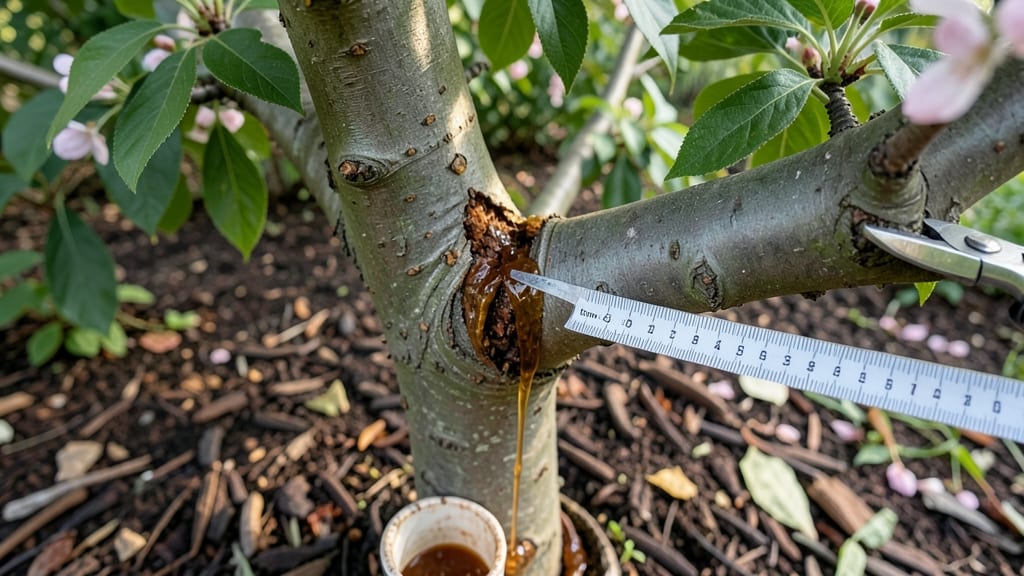
That sticky mess dripping from your cherry tree isn’t just annoying—it’s a warning sign. 🌳 When sap leaks from cherry trees, it’s rarely just a coincidence; it’s your tree’s way of saying something’s wrong, whether it’s pests, disease, or stress.
The longer you ignore it, the more damage it can do to the bark and overall health of your tree.
First, check the sap’s color and location—clear or white sap often means stress or injury, while dark, oozing sap could signal borers or fungal infections.
I’ve seen sap leaks turn into major problems when homeowners wait too long to act, so grab your gloves and let’s diagnose the issue before it spreads.
You’ll learn how to clean up the mess, treat the underlying problem (whether it’s pruning, fungicide, or pest control), and protect your tree for years to come. With the right steps, you can stop the leak and keep your cherry tree thriving—no more sticky surprises on your patio or driveway.
Even better, these solutions work for other fruit trees too, so you’ll be ready if this happens again. Let’s get your tree back to healthy and productive—without the mess.
Root Causes Of Sap Bleeding
When your cherry tree starts oozing sap like a sticky syrup factory, it’s usually a sign that something’s out of balance beneath the surface. Understanding these causes helps you address the issue before it weakens your tree—or worse, invites pests or disease. Here’s a breakdown of the most common culprits:
Cherry trees (especially Prunus species) are sensitive to rapid temperature swings. When winter thaws followed by sudden freezes occur, the tree’s vascular system—its internal plumbing—can get disrupted. Here’s how it happens:
- Frost Damage: Freezing temperatures cause ice crystals to form in the tree’s xylem (water-conducting vessels). When temperatures rise, these crystals expand, rupturing cell walls and forcing sap out through bark cracks or lenticels (tiny pores).
- Pressure Buildup: As sap warms and expands, it seeks escape routes, often leaking from pruning wounds or natural fissures. This is why you might see sap after a late-winter warm spell.
- Species Susceptibility: Tart cherries (Prunus cerasus) and sweet cherries (Prunus avium) are particularly prone because their bark is thinner and less resilient to stress.
💡 Pro Tip: If your tree is young or recently planted, mulch heavily around the base (3–4 inches deep) to insulate roots and reduce temperature shocks. Avoid pruning in late winter or early spring when frost risk is high.
Pruning is essential for cherry trees, but doing it wrong can trigger excessive sap bleeding. The key issue? Timing and technique. Here’s why your cuts might be causing a sap explosion:
- Late-Winter Pruning: Pruning between late winter and early spring (when sap is flowing) forces the tree to heal wounds while its defenses are low. The larger the cut, the more sap leaks out.
- Improper Cuts: Jagged or torn cuts expose raw xylem tissue, which oozes sap uncontrollably. Clean, angled cuts (using sharp tools) minimize damage.
- Over-Pruning: Removing too much wood at once stresses the tree, leading to compensatory sap flow as it tries to recover.
✨ Expert Fix: Prune cherry trees in late winter (before buds swell) or early summer when sap flow is minimal. Seal large pruning wounds (>1.5 inches) with a pruning sealant (like Tanglefoot Tree Wound Pruning Seal) to reduce sap loss and pest entry.
Sap bleeding can be a symptom of an underlying infestation or infection. When pests or pathogens attack, the tree’s immune response ramps up, increasing sap production as a defense mechanism. Common triggers include:
| Pest/Disease | How It Causes Sap Leak | Signs to Watch For |
|---|---|---|
| Boring Insects (e.g., shot hole borer, flatheaded borer) | Larvae burrow into the cambium (sap-producing layer), disrupting flow and forcing sap to escape through exit holes. | Sawdust-like frass, small holes in bark, wilting leaves, or dieback. |
| Fungal Infections (e.g., silver leaf fungus, bacterial canker) | Pathogens clog xylem vessels or damage bark, causing sap to pool and leak. | Dark, oozing cankers; discolored leaves; or a metallic sheen on foliage. |
| Scale Insects or Mites | These sap-suckers pierce bark, stimulating excessive sap production as the tree “bleeds” to dilute toxins. | Sticky honeydew residue on bark/leaves; sooty mold growth. |
🔥 Action Step: If you suspect pests, inspect the bark for tunnels, frass, or webbing. For fungal issues, look for cankers or unusual leaf spots. Treat with neem oil (for insects) or copper fungicide (for diseases), following label instructions.
Too much water—or poor drainage—can send your cherry tree into overdrive, leading to sap pressure issues. Here’s the science:
- Root Suffocation: Compacted or waterlogged soil cuts off oxygen to roots, forcing the tree to overproduce sap to compensate. This excess sap can’t be absorbed properly and leaks from the bark.
- Transpiration Imbalance: Overwatering disrupts the tree’s natural water uptake, creating internal pressure. The tree “bleeds” sap to release the buildup.
- Root Rot: Fungal infections (like Phytophthora) thrive in soggy soil, damaging roots and further destabilizing sap flow.
🌡️ Soil Check: Stick your finger 3 inches into the soil—if it’s damp, hold off on watering. Improve drainage by amending soil with compost or sand, and avoid planting in low-lying areas where water pools.
Most sap bleeding is harmless and resolves as the tree adjusts, but chronic leaks can weaken your cherry tree over time. By identifying the root cause, you can take targeted action to restore balance—and keep your tree healthy and productive.
Fix Sap Leaks Before Damage Spreads
Sap leaking from your cherry tree isn’t just a messy nuisance—it can weaken the bark, attract pests, and even invite fungal infections if left unchecked. The good news? Most causes have simple, effective fixes.
Below, we’ll break down the most common reasons for sap leaks and the step-by-step solutions to stop them, plus prevention tips to keep your tree healthy long-term.
Cause: Improper pruning (cutting too close to the trunk or leaving jagged edges) exposes the tree’s vascular system, causing sap to ooze out.
Fix It:
- 🔥 Clean the Cut: Use a sharp pruning saw or shears to trim away any ragged edges or excess bark. Aim for a smooth, slanted cut (about ¼ inch from the branch collar).
- 🍳 Apply a Pruning Sealant: Dab a tree wound sealant (like Tanglefoot Tree Wound Pruning Sealer) or even beeswax over the cut to seal the wound. Avoid thick, suffocating sealants—they trap moisture.
- 👨🍳 Monitor for Signs of Stress: If the tree is still oozing after a week, it may need fertilizer (low-nitrogen, high-phosphorus) to recover faster.
💡 Pro Tip: Prune during dormant season (late winter/early spring) to minimize stress. If you must prune in summer, do it on a cool, cloudy day to reduce sap flow.
Cause: Sap-sucking pests (like aphids, scale insects, or borers) pierce the bark, triggering sap leaks as a defense mechanism. Borers, in particular, create tunnels that ooze sap and weaken the tree.
Fix It:
- 🔪 Inspect the Tree: Look for tiny holes, sawdust-like frass (borer droppings), or sticky residue (honeydew from aphids). Shine a flashlight into crevices to spot larvae.
- 🌡️ Treat Infestations:
- For soft-bodied pests (aphids, scale): Spray with neem oil or insecticidal soap (follow label instructions). Repeat every 5–7 days.
- For borers: Use a hand drill or screwdriver to remove visible larvae, then fill holes with diatomaceous earth or borer-specific insecticide (like bifenthrin).
- 🎯 Encourage Natural Predators: Ladybugs and parasitic wasps love aphids—plant companion flowers (like marigolds) nearby to attract them.
✨ Prevention: Wrap the trunk with tree guard (a physical barrier) to deter climbing pests. Keep the area free of debris where pests hide.
Cause: Sudden temperature swings (like winter sun exposure followed by freezing nights) or hail/storm damage can crack the bark, leading to sap leaks. This is common in young or thin-barked cherry trees.
Fix It:
- 🥘 Cover Vulnerable Areas: If the tree is young, wrap the trunk with tree wrap (available at garden centers) in late fall to shield it from harsh sun.
- 🔪 Repair Cracks: For deep cracks, gently scrape out loose bark and apply a bark sealant (like a latex-based product). Avoid over-sealing—let the wound breathe.
- 💪 Boost Tree Health: Water deeply during droughts and apply mulch (3–4 inches thick) around the base to protect roots and regulate temperature.
💡 Pro Tip: If sap leaks appear after a storm, check for hidden branch breaks—they may need pruning to prevent further damage.
Cause: Excessive sap (from wounds or pests) can create a sugar-rich environment that attracts fungi like silver leaf fungus or canker diseases, which rot the bark and leak sap.
Fix It:
- 🔥 Sterilize Tools: Before pruning, wipe blades with rubbing alcohol to prevent spreading spores.
- 🍳 Remove Infected Tissue: Cut out all diseased bark (including ½ inch of healthy tissue beyond the visible damage) and dispose of it (do not compost).
- 👨🍳 Apply Fungicide: Use a copper-based fungicide (like Bordeaux mixture) or organic options (baking soda spray: 1 tbsp baking soda + 1 quart water + a drop of dish soap).
- 🌡️ Improve Airflow: Thin out dense branches to reduce humidity around the trunk.
✨ Prevention: Avoid overwatering—keep soil moist but not soggy. Prune for open canopy to let sunlight and air circulate.
Cause: Poor soil health (low nitrogen, potassium, or micronutrients) weakens the tree’s ability to heal wounds, leading to persistent sap leaks.
Fix It:
- 📊 Test Your Soil: Use a DIY soil test kit (available at garden centers) or send a sample to a local extension office.
- 💪 Fertilize Smartly:
- For general health: Use a balanced fertilizer (10-10-10) in early spring.
- For healing: Switch to a low-nitrogen, high-phosphorus fertilizer (like 5-10-10) to promote root and bark repair.
- 🥗 Boost Organic Matter: Mix compost or well-rotted manure into the top 6 inches of soil around the drip line.
💡 Pro Tip: Avoid over-fertilizing—too much salt can burn roots. Follow package instructions closely!
Final Reminder: Most sap leaks resolve within 2–4 weeks with proper care. If the problem persists, consult a certified arborist—they can assess for deeper issues like vascular diseases (e.g., bacterial canker) that may need professional treatment.
Frequently asked questions about cherry tree sap leaks
Is cherry tree sap harmful to my tree?
Not usually in small amounts, but excessive sap leaks can weaken your tree over time. The real concern is what’s causing the leak—pests, disease, or physical damage—which can harm the bark and invite further problems. Think of it like a bandage: the sap is the tree’s way of sealing a wound, but if the wound won’t heal, the tree gets stressed.
Why does my cherry tree leak sap in winter?
Winter sap leaks often happen due to frost damage or temperature swings. When ice forms in the tree’s vascular system and then thaws, it creates pressure that forces sap out through bark cracks. This is especially common in young trees or after sudden warm spells. Mulching heavily around the base (3–4 inches) can help prevent this by insulating roots.
How can I tell if sap leaks are from pests vs. disease?
Look for these clues: Pests often leave tiny holes, sawdust-like frass (borer droppings), or sticky honeydew (from aphids/scale). Disease usually shows as dark, oozing cankers or discolored bark. If you see metallic sheen on leaves (silver leaf fungus) or sooty mold (black fungus growing on honeydew), that’s a disease red flag.
Will sealing sap leaks with pruning sealant make the problem worse?
Not if you use it correctly! Thin, breathable sealants (like Tanglefoot Tree Wound Pruning Seal) help wounds heal faster by protecting them from pests and disease. However, avoid thick, suffocating sealants—they trap moisture and can create rot. For wounds larger than 1.5 inches, sealing is especially helpful.
How long should I wait before pruning a cherry tree that’s leaking sap?
Wait until the tree is fully dormant (late winter/early spring) or in early summer when sap flow is minimal. If you must prune during an active leak, do it on a cool, cloudy day to reduce stress. Never prune in late winter/early spring when frost risk is high—this is when sap leaks are most likely to occur.