
Pruning
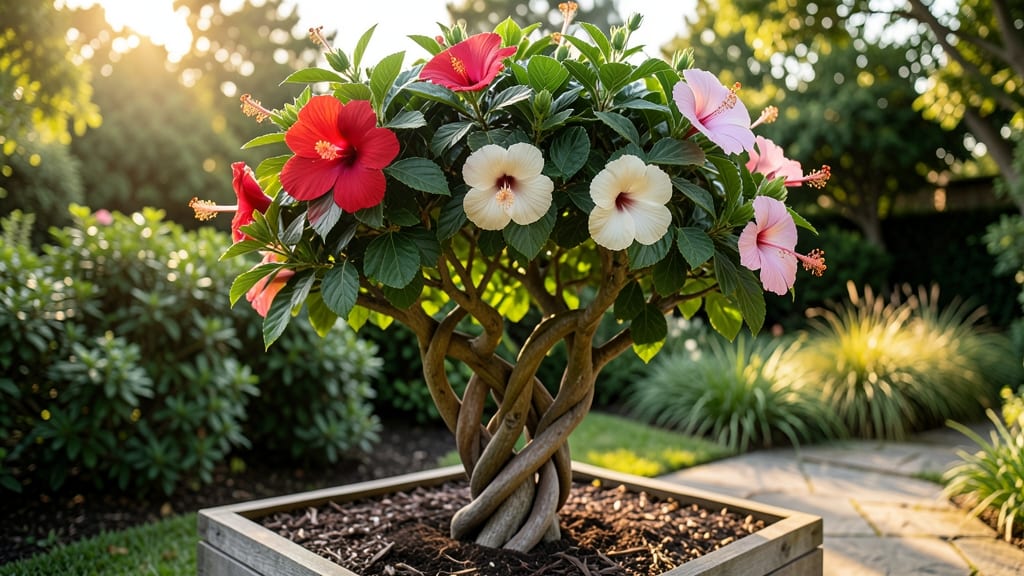
A hibiscus braided tree’s height can transform your garden from a cozy corner to a showstopper—whether you’re aiming for a 6-foot patio focal point or a towering 12-foot statement.
Picture this: Your 🌺 hibiscus braided tree blooming like a cloud of pink and purple by summer, its delicate fern-like leaves swaying in the breeze. But here’s the catch—without the right pruning and care, it could either stay stubby or sprawl uncontrollably.
The good news? With a few strategic cuts and seasonal tweaks, you can steer its growth like a pro.
This isn’t just about trimming back wild branches—it’s about understanding how pruning timing, soil health, and even your USDA Zone 6a climate play into whether your tree hits 6 feet in one season or stretches toward 12 feet in two.
I’ll walk you through the exact techniques to shape its growth, from spring flushes to winter dormancy, so you’re not left guessing.
Ready to turn your hibiscus braided tree into the garden star it’s meant to be? You’ll learn when to prune, how much to cut, and the hidden tricks that make all the difference—no green thumb required.

How to control hibiscus braided tree height: pruning techniques for 6-Feet vs 12-Feet goals
Your hibiscus braided tree can become a stunning focal point in your garden, but its height depends entirely on your pruning strategy. Whether you want a 6-foot patio specimen or a 12-foot garden centerpiece, understanding when and how to trim is key.
The right cuts encourage vertical growth while maintaining that lush, tropical look you love.
Start by choosing your goal height—this determines your pruning approach. For a 6-foot hibiscus, you’ll focus on light pruning to control growth, while a 12-foot tree requires minimal trimming to let it reach its full potential.
Both methods require precise timing and technique to avoid stunting your plant or encouraging weak growth.
| Goal Height | Pruning Season | Cutting Technique | Tools Needed | Expected Growth |
|---|---|---|---|---|
| 6 Feet | Late Winter/Early Spring | Cut back 1/3 of new growth | Bypass pruners, gloves | 3-5 ft in first year |
| 6 Feet | Summer (after blooming) | Trim tips of leggy branches | Hand pruners, sanitizer | Maintains compact shape |
| 12 Feet | Late Winter/Early Spring | Minimal pruning—remove dead branches only | Loppers, gloves | 6-8 ft in first year |
| 12 Feet | Summer (light maintenance) | Shape top branches only | Pruning saw, sanitizer | Encourages vertical growth |
For a 6-foot hibiscus, begin pruning in late winter or early spring before new growth starts. Cut back about 1/3 of the previous year’s growth to encourage bushier, denser foliage.
Use clean, sharp bypass pruners to make cuts just above a leaf node or bud. This method keeps your hibiscus manageable while ensuring it stays healthy and full.
If you’re aiming for a 12-foot tree, prune minimally in late winter—only remove dead, damaged, or crossing branches. This allows the hibiscus to focus its energy on vertical growth.
In summer, lightly shape the top branches to maintain balance, but avoid heavy cuts that could stunt its height potential.
Always use sterilized tools to prevent disease spread. After each cut, wipe your pruners with rubbing alcohol. For larger branches, use a pruning saw to avoid tearing the bark. Never prune more than 25% of the plant’s foliage at once, as this can stress your hibiscus and reduce blooming.
Timing is everything—prune your hibiscus before the growing season (late winter/early spring) to shape its structure, and do light maintenance in summer after blooming to keep it tidy. Avoid pruning in fall or winter when the plant is dormant, as this can encourage new growth that won’t survive cold temperatures.
Watch for new shoots after pruning—these indicate healthy growth. If your hibiscus produces too many side branches and you want a taller form, focus on trimming the lower branches while leaving the upper ones intact. This redirects energy upward, helping your hibiscus reach its target height faster.
Common mistakes include pruning too late in the season or cutting into old wood, which can lead to slow recovery. Always cut at a 45-degree angle just above a bud or leaf node to encourage new growth in the right direction.
With patience and precision, your hibiscus braided tree will thrive at your desired height.
Remember, hibiscus trees grow 6-12 inches per year under ideal conditions. By adjusting your pruning approach, you can guide its growth to match your garden’s needs—whether that’s a cozy patio height or a towering garden statement piece.
Seasonal care schedule to maximize hibiscus braided tree growth in 2 years
Your hibiscus braided tree can grow from a young sapling to a stunning 6-12 foot specimen in just two years with the right seasonal care. The key lies in balancing sunlight exposure, watering schedules, and fertilization timing to encourage vertical growth while maintaining a lush, bushy canopy.
Let’s break down each month to maximize your plant’s height potential without compromising its iconic blooms.
Start with spring preparation—this is when your hibiscus wakes up from dormancy and needs consistent moisture and nutrients. Move into summer blooming strategies to support rapid growth, then transition to fall hardening and winter protection to ensure it survives cold snaps.
Each season plays a critical role in shaping your plant’s final height, so let’s dive into the month-by-month plan.
- 🌱 March-May: Apply balanced 10-10-10 fertilizer every 4-6 weeks and water deeply every 4-5 days to encourage root expansion.
- ☀️ June-August: Increase watering to every 2-3 days and prune lightly to redirect energy upward for height.
- 🌿 September-October: Reduce fertilizer to half-strength and mulch to protect roots as temperatures drop.
- ❄️ November-February: Water sparingly (bi-weekly) and wrap the base in burlap if frost is expected.
In March and April, your hibiscus enters its fastest growth phase. Focus on deep watering—aim for 1-2 gallons per week—and apply a light fertilizer dose (1 tbsp per plant) to stimulate root development.
Place your plant in a location with at least 6 hours of direct sunlight daily, as this triggers vertical growth hormones. If your hibiscus is potted, consider moving it outdoors after the last frost to give it more space.
By June and July, your hibiscus should be blooming profusely while also shooting upward. This is when you’ll see the most dramatic height gains. Continue deep watering every 2-3 days and switch to a monthly fertilizer boost (2 tbsp per plant) to support both foliage and flower production.
Prune any leggy branches to encourage bushier growth while maintaining an upright form. If your goal is a 12-foot tree, avoid heavy pruning—focus on shaping rather than cutting back.
As fall approaches, reduce fertilizer applications to half-strength in September and eliminate them entirely by October. Your hibiscus will start preparing for dormancy, so focus on mulching around the base with 2-3 inches of organic material to insulate roots.
Water less frequently—every 5-7 days—but keep the soil lightly moist. This gradual reduction in care helps harden the plant for winter.
During winter months, your hibiscus enters dormancy, and growth slows significantly. Water bi-weekly with just enough to keep the soil from drying out completely.
If you’re in a colder climate (USDA Zone 6 or below), wrap the base of the plant in burlap or frost cloth to protect it from freezing temperatures. Avoid fertilizing entirely—your hibiscus needs this rest period to store energy for next year’s explosive growth.
With this seasonal care schedule, your hibiscus braided tree can easily reach 6 feet in its first year and 12 feet by its second year, all while maintaining a full, bushy appearance.
The key is consistency—water deeply, fertilize strategically, and protect during winter—and your plant will reward you with stunning height and vibrant blooms year after year.