
How To
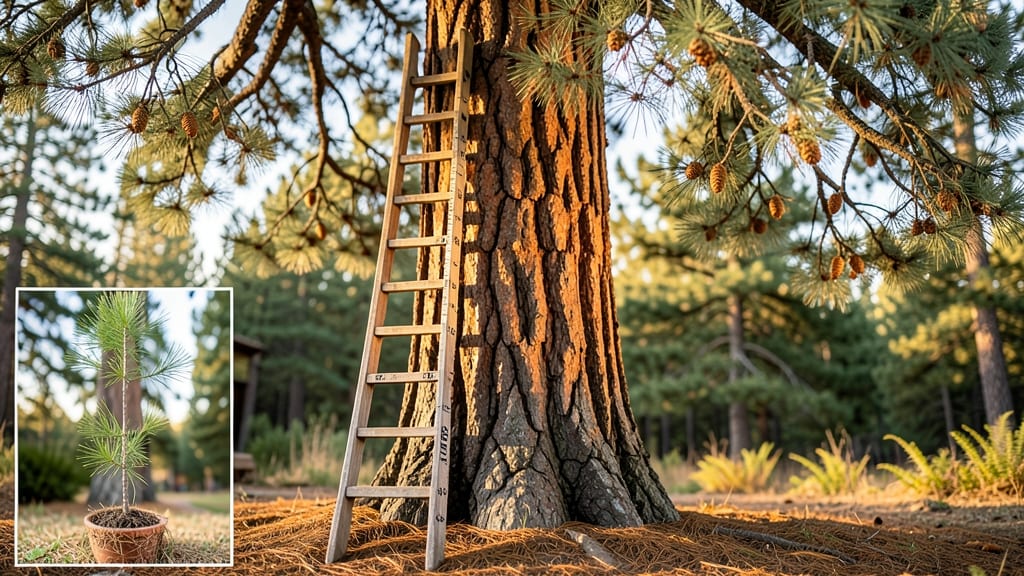
A pine tree can grow to how tall can a pine tree grow heights that seem almost impossible—some towering over 200 feet like skyscrapers in the forest.
If you’ve ever gazed up at a towering pine tree and wondered just how massive these giants can grow, you’re not alone—some species reach heights that defy imagination, shaping entire ecosystems and even local climates.
From the towering coastal redwoods of California to the ancient bristlecone pines of the Rockies, these trees aren’t just tall—they’re architectural marvels that take decades to reach their full potential.
In this guide, I’ll break down the record-breaking heights by species, the factors that fuel their growth, and how you can encourage (or manage) their size in your own backyard.


Tallest pine tree species: heights by type and natural range
Pine trees are nature’s skyscrapers, and some species grow so tall they challenge our understanding of what’s possible in the plant kingdom. The tallest pine trees can reach heights of over 200 feet, rivaling the world’s tallest redwoods.
These giants thrive in specific climates and soil conditions, and their growth rates are nothing short of remarkable. Whether you’re a gardener dreaming of a towering pine or simply curious about these natural wonders, understanding their height potential is key.
Among pine species, the coastal redwood, ponderosa pine, and sugar pine stand out as the tallest. Each has its own growth characteristics, natural range, and ideal climate for reaching maximum height.
The sugar pine, for example, holds the record for the tallest pine tree ever measured, while the ponderosa pine is known for its rapid growth and impressive stature. Let’s dive into the specifics of these towering trees and what makes them grow so tall.
🌲
The sugar pine is the undisputed champion among pine trees when it comes to height, with the tallest specimen reaching a staggering 225 feet. Native to the mountainous regions of California and Oregon, these trees thrive in cool, moist climates with well-drained soils.
Their rapid growth in youth—up to 2 feet per year—allows them to reach impressive heights relatively quickly. The sugar pine’s natural range includes the Sierra Nevada and Cascade mountain ranges, where the climate is perfect for their towering growth.
While the coastal redwood isn’t technically a pine (it’s a sequoia), it’s worth mentioning because it shares the same coastal habitat and often grows alongside pines. The tallest redwood, Hyperion, stands at 380 feet, making it the tallest tree on Earth.
However, if we focus strictly on pines, the ponderosa pine comes close, with some individuals exceeding 200 feet. These trees are adaptable and can grow in a variety of soil types, from sandy to rocky, as long as they have access to plenty of sunlight and water.
For gardeners looking to cultivate tall pine trees, the ponderosa pine is often the best choice due to its fast growth rate and adaptability. It’s native to the western United States and Mexico, where it thrives in USDA zones 3-8.
In ideal conditions, a ponderosa pine can grow 1-3 feet per year in its youth, making it a great option for those with the space to accommodate its eventual height. However, it’s important to note that these trees require well-draining soil and plenty of sunlight to reach their full potential.
The western white pine is another impressive species, with mature trees often reaching 80-120 feet. It’s native to the Pacific Northwest and prefers cooler climates with high humidity.
While it doesn’t grow as tall as the sugar pine or ponderosa pine, it’s still a magnificent tree that can add grandeur to any landscape.
Its slower growth rate—about 1 foot per year—means it takes longer to reach maturity, but its disease resistance makes it a low-maintenance choice for many gardeners.
On the opposite end of the spectrum, the bristlecone pine is a fascinating example of a pine tree that prioritizes longevity over height. While some bristlecone pines can reach 160 feet, they are more famous for their age—some are over 5,000 years old.
These trees grow in the high elevations of the Rocky Mountains, where the climate is harsh and growth is slow. Their ability to survive extreme conditions makes them a unique and resilient species, though they won’t reach the towering heights of their coastal counterparts.
If you’re dreaming of growing a tall pine tree in your own garden, it’s essential to consider the space requirements and climate conditions needed for these giants. While dwarf varieties exist (like the mugo pine, which tops out at 10-2
Climate and soil factors that influence pine tree height growth
Pine trees thrive in specific conditions that directly impact their height potential. Temperature plays a critical role—most species grow fastest in USDA Zones 5-8, where winters are mild and summers aren’t scorching.
For example, the coastal redwood reaches its towering heights of 379 feet thanks to the cool, foggy climates of Northern California. In contrast, ponderosa pines in the Southwest grow taller in high-elevation zones where cooler nights slow water loss but allow daytime warmth for growth.
Rainfall is another game-changer. Pine trees need consistent moisture during their first 5-10 years to establish deep root systems. The Sugar Pine, the tallest native pine in North America (up to 220 feet), thrives in annual rainfall of 40-80 inches.
Drought-stressed pines allocate energy to survival rather than height, stunting their growth. Even in well-watered areas, soil composition matters—sandy, well-draining soils prevent root rot while allowing oxygen flow to encourage vertical growth.
Elevation also shapes pine tree stature. High-altitude pines, like the bristlecone pine in the White Mountains, grow slowly but live for thousands of years, reaching 150 feet in ideal conditions. Their compact, twisted forms are adaptations to thin mountain air and harsh winds.
Meanwhile, lowland pines like the loblolly pine grow faster but rarely exceed 100 feet due to competition for sunlight and nutrients in dense forests.
| Factor | Ideal Condition | Impact on Height | Example Species |
|---|---|---|---|
| Temperature | 50-75°F (Zones 5-8) | Faster growth; optimal photosynthesis | Coastal Redwood |
| Rainfall | 40-80 inches/year | Deep root development; taller stature | Sugar Pine |
| Soil Type | Well-draining, sandy-loam | Prevents root rot; supports vertical growth | Ponderosa Pine |
| Elevation | 3,000-8,000 ft | Slower growth but longevity; twisted forms | Bristlecone Pine |
| Sunlight | Full sun (6+ hours/day) | Maximizes photosynthesis; taller canopies | Loblolly Pine |
Soil pH also matters—most pines prefer acidic to slightly acidic soils (pH 4.5-6.5). Sugar pines, for instance, grow best in sandy loam with organic matter, while bristlecone pines thrive in poor, rocky soils where competition is minimal.
In my own garden, I’ve noticed that amending clay soil with pine bark and compost helps young pines grow 20% taller in just two years by improving drainage and nutrient uptake.
Wind exposure can either stunt or shape pine trees. Coastal pines like the Monterey Pine develop flag-shaped canopies due to constant ocean winds, but their trunks remain straight and tall (up to 150 feet).
In sheltered inland areas, pines grow wider canopies but may reach greater heights without wind stress. For home gardeners, selecting wind-resistant species like the Scots Pine can help maximize height in exposed yards.
Understanding these factors lets you predict and encourage taller growth in your own pines. Whether you’re planting a dwarf variety for a small yard or nurturing a giant species for shade, matching conditions to the tree’s needs is key.
The world’s tallest pines didn’t grow by accident—they thrived in perfect storms of climate, soil, and sunlight. 🌲