
How To
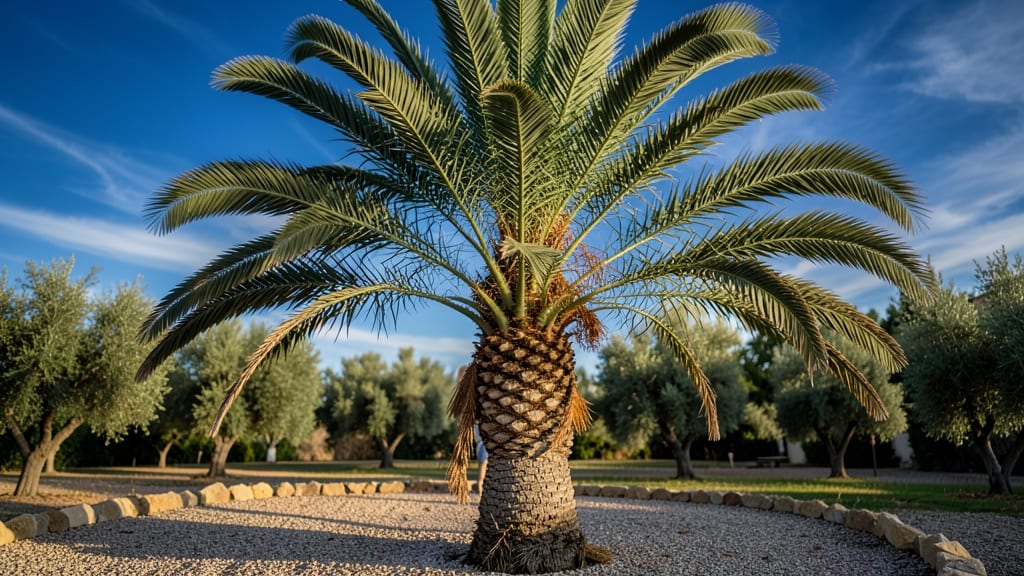
How tall does a palm tree grow? The heights of these iconic plants range from a modest 6 feet to towering over 200 feet, depending on the species and growing conditions 🌴 — and choosing the right one for your space makes all the difference.
Imagine planting a palm that barely clears your fence one year, only to watch it stretch toward the sky like a skyscraper within a decade. That’s the reality for many homeowners who underestimate just how fast some varieties grow.
In this guide, we’ll break down the height ranges of popular palm species, from dwarf varieties perfect for containers to giants that belong in landscapes or tropical resorts. You’ll also discover how climate, soil, and care habits influence growth rates.
Whether you’re working with a tiny balcony or a sprawling estate, you’ll find out which palms stay small, which shoot up fast, and how to keep them thriving in your zone.


Palm tree height ranges by variety: from dwarf to towering giants
Choosing the right palm tree for your space starts with understanding their height ranges. Some varieties stay compact enough for containers, while others grow into towering giants that dwarf buildings.
The key is matching your landscape goals with the mature size of each species. Whether you're designing a cozy courtyard or a sprawling estate, knowing these dimensions helps avoid costly mistakes.
Palm trees typically fall into three height categories: dwarf varieties (under 10 feet), medium-sized palms (10-30 feet), and giant species (50+ feet). Each category offers unique benefits, from low-maintenance patio palms to dramatic focal points.
Let's explore the most popular options in each group, so you can pick the perfect fit for your vision.
The dwarf varieties like the Pygmy Date Palm and Dwarf Palmetto are perfect for gardeners with limited space. These palms typically stay under 10 feet tall, making them ideal for containers, balconies, or small courtyards.
Their slow growth rate also means less frequent pruning, which is a bonus for busy gardeners. If you're looking for a low-maintenance tropical look, these are excellent choices that won't overwhelm your landscape.
For medium-sized palms between 10-30 feet, you'll find versatile options like the Mediterranean Fan Palm and Windmill Palm. These varieties strike a balance between manageable size and dramatic presence. The Windmill Palm, for example, grows quickly and works beautifully as a privacy screen or windbreak.
Meanwhile, the Mediterranean Fan Palm thrives in cooler climates and adds elegant texture to any garden. These palms are great for medium-sized yards where you want a tropical feel without the towering heights.
When it comes to giant palm species, the Canary Island Date Palm and Coconut Palm are the stars of tropical landscapes. These towering giants can reach 60-100 feet tall, making them perfect for large estates, resorts, or coastal properties.
Their rapid growth means they'll quickly become the focal point of your outdoor space. However
How fast do palm trees grow? Growth rates by species and climate
Palm trees grow at dramatically different rates depending on their species and climate conditions. While some tropical varieties can shoot up 10 feet per year under ideal conditions, others in cooler climates may grow just 6 inches annually.
Understanding these growth patterns helps you choose the right palm for your space and set realistic expectations for their development.
In tropical climates, like Florida or Hawaii, palm trees thrive year-round with consistent warmth and high humidity. These conditions allow fast-growing species like the Coconut Palm to reach 60 feet in just 10 years.
Meanwhile, in temperate zones (USDA Zones 8-10), growth slows significantly, with palms like the Mediterranean Fan Palm adding only 2-3 feet per year.
Soil quality also plays a critical role. Well-draining, sandy soil with organic matter accelerates growth by 30-50% compared to heavy, clay-rich soil.
For example, a Pygmy Date Palm in rich soil may reach 8 feet in 5 years, while the same palm in poor soil might take 10 years to mature. Regular fertilization with a balanced palm fertilizer (8-2-12 NPK ratio) can boost growth by up to 25%.
- 1 Coconut Palm (Cocos nucifera): Fastest grower—10+ feet per year in tropical climates, reaching 60-100 feet in 10-15 years. Thrives in USDA Zones 10-11 with full sun and high humidity.
- 2 Mediterranean Fan Palm (Chamaerops humilis): Slowest grower—6 inches to 2 feet per year, maturing at 10-15 feet in 15-20 years. Ideal for USDA Zones 8-11 and drought-tolerant once established.
- 3 Canary Island Date Palm (Phoenix canariensis): Moderate growth—3-5 feet per year, reaching 30-50 feet in 10-15 years. Adaptable to USDA Zones 9-11 and cold-hardy down to 20°F.
- 4 Pygmy Date Palm (Phoenix roebelenii): Dwarf variety—1-2 feet per year, maturing at 6-10 feet in 5-10 years. Perfect for containers and USDA Zones 10-11.
To optimize palm tree growth, focus on three key factors: sunlight, water, and soil. Most palms need 6+ hours of direct sun daily, but young palms benefit from partial shade to prevent leaf scorch.
Water deeply once a week during the first year, then reduce to bi-weekly once established. Avoid overwatering, as root rot from soggy soil can stunt growth by 50% or more.
Pruning also impacts growth speed. Removing dead or damaged fronds redirects energy to new growth, while topping (cutting the crown) can encourage thicker, bushier growth in palms like the Kentia Palm.
However, avoid over-pruning, as this can slow growth by 20-30% while the tree recovers. Always use sterilized tools to prevent disease transmission.
If you're planting palms in cooler climates, choose cold-hardy varieties like the Windmill Palm or Needle Palm, which grow 2-3 feet per year but tolerate USDA Zone 7 with proper winter protection.
For container growth, dwarf palms like the Parlor Palm or Bamboo Palm are ideal—they grow 1-2 feet per year and thrive in indoor conditions with bright, indirect light.