
Blooming
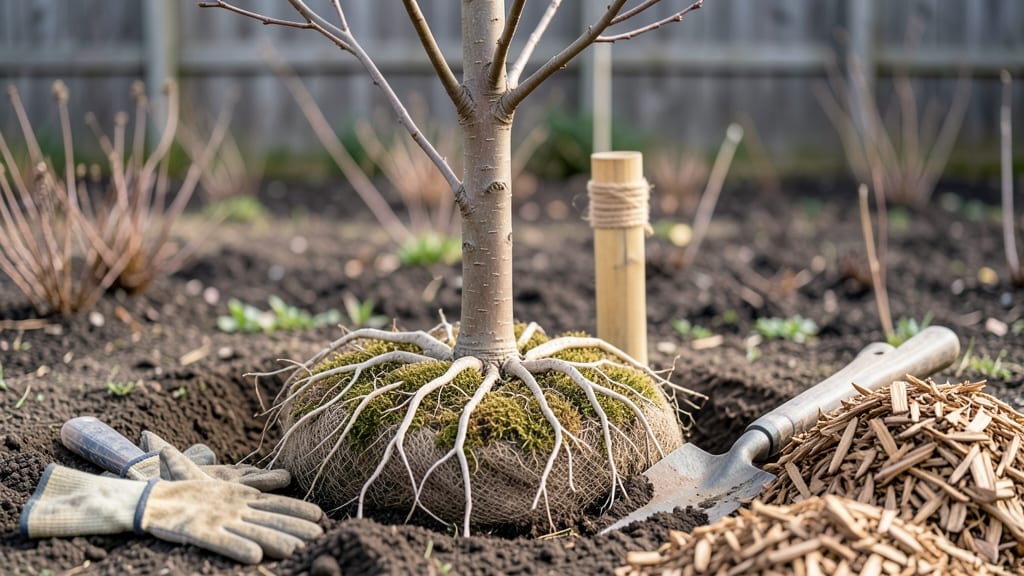
Planting a bare-root Kwanzan cherry blossom tree in late winter or early spring unlocks a future of pink cloud blooms that last for weeks. 🌸 I’ve watched mine transform from a spindly sapling to a showstopper—its glossy leaves and cascading blossoms turning every spring into a celebration.
The secret lies in getting the roots settled right the first time, which means soil prep, proper depth, and a little extra TLC during those first critical weeks.
The best time to plant is when the ground is workable but before buds swell—usually February through April in most climates. You’ll need well-draining soil mixed with compost, a hole twice as wide as the root ball, and enough space (15–20 feet) for its mature spread.
Water deeply after planting, then mulch to protect roots from temperature swings. Most beginners underestimate how much water these trees need in their first year—think 1–2 gallons per week during dry spells.
By summer, you’ll see new growth signaling success, but the real magic happens in spring when hundreds of pink blossoms paint the sky. The Kwanzan’s cold-hardiness (zones 5–8) means it thrives where other cherries falter, and its disease resistance makes it a low-maintenance star.
Just avoid overwatering in winter and prune lightly after blooming to keep the shape open and airy.
Common mistakes? Planting too deep (roots should sit just below soil level) or skipping mulch (which insulates roots in summer heat and winter cold). With patience, your Kwanzan will reward you for decades—imagine sipping coffee under its canopy as petals drift down like confetti.
Here’s how to make it happen without a hitch.
📚 In This Guide
- What you need
- Instructions
- Tips and common mistakes
- Wrapping up and next steps
What you need
- ● Bare-root Kwanzan cherry blossom tree (1–3 plants, depending on desired size and spacing)
- ● Shovel or spade (for digging planting holes)
- ● Garden trowel (for loosening roots and backfilling soil)
- ● Compost or well-aged manure (5–10 lbs, to enrich soil)
- ● Mulch (wood chips or straw) (3–4 inches, to retain moisture and regulate temperature)
- ● Watering can or hose with a gentle spray nozzle (for hydration)
- ● Pruning shears (to trim damaged roots or branches)
- ● Garden gloves (to protect your hands)
- ● Soil pH tester (to ensure soil is slightly acidic, pH 6.0–6.5)
- ● Root stimulator or mycorrhizal fungi (to boost root growth)
- ● Tree stake and ties (if planting in windy areas)
- ● Post-hole digger (for deeper planting holes in clay soil)
- ● Organic fertilizer (balanced NPK, 10-10-10) (1–2 lbs, for initial feeding)
Step-by-Step instructions for planting a Kwanzan cherry blossom tree bare root
This cold-hardy beauty rewards patience—follow these steps for a thriving tree that blooms reliably for decades.
🪴 Step 1: Choose the Perfect Planting Location
Select a spot with full sun exposure (6-8 hours daily) and well-draining soil. Kwanzan cherries tolerate a range of soil types but perform best in slightly acidic to neutral soil (pH 6.0-7.0). Avoid low-lying areas where cold air pools—this tree thrives in USDA Zones 5-8, but winter sun exposure helps prevent frost damage.
I always dig a test hole twice as wide as the root ball to check drainage. If water pools after 15 minutes, amend the soil with 2-3 inches of compost or sand. The tree’s shallow roots need room to spread, so avoid planting near sidewalks or structures. Here’s the thing—Kwanzan cherries grow 20-30 feet tall and wide, so give it space to mature without future pruning headaches.
🌱 Step 2: Prepare the Bare Root and Dig the Hole
Soak the bare root in lukewarm water for 2-4 hours before planting to revive dormant roots. While it soaks, dig a hole twice as wide as the root spread but only as deep as the root ball—planting too deep suffocates the tree. The top of the root flare (where roots meet trunk) should sit 1-2 inches above ground level after backfilling.
Loosen the soil at the bottom of the hole with your hands or a trowel. I like to create a small mound in the center to position the roots naturally. Gently separate any circling roots with your fingers—this prevents girdling as the tree matures. If your soil is heavy clay, mix in a handful of organic matter at the bottom to improve drainage.
💧 Step 3: Plant and Water Deeply
Place the tree in the hole, ensuring the root flare is visible above the surrounding soil line. Spread the roots evenly over the mound, then backfill with native soil, tamping lightly every 4-6 inches to eliminate air pockets. Avoid compacting too hard—you want roots to settle naturally over time.
Water deeply (about 10 gallons) immediately after planting to encourage root contact with soil. The soil should settle 1-2 inches—top off with more soil if needed. Mulch the base with 2-3 inches of wood chips, keeping mulch 6 inches away from the trunk to prevent rot. Here’s where it gets fun: Kwanzan cherries bloom on new wood, so proper planting now sets up future showstopper flowers.
☀️ Step 4: Stake and Protect for the First Year
Install two stakes on opposite sides of the tree, tied loosely with soft fabric strips (not wire) to the trunk. The goal is to provide support without restricting growth. Kwanzan cherries have strong roots but may need help in windy areas. Prune any broken branches from shipping, but avoid heavy pruning—this tree blooms best with a natural shape.
Water once weekly during the first growing season, aiming for 1-2 inches of water per week. Check soil moisture by inserting your finger 2 inches deep—if it’s dry, water slowly until moisture reaches 6 inches down. In winter, apply 4-6 inches of mulch around the base (but not touching the trunk) to insulate roots from freezing temperatures. Real talk: The first winter is critical—proper mulching now prevents root heave and keeps the tree established.
⏰ Step 5: Maintain for Long-Term Health
Fertilize in early spring with a balanced 10-10-10 formula, applying ½ cup per inch of trunk diameter. Kwanzan cherries need minimal pruning—remove only dead, diseased, or crossing branches. The best time to prune is late winter or early spring, before buds swell. Avoid summer pruning, as it stimulates vigorous late-season growth that won’t harden off before winter.
Watch for powdery mildew (common in humid climates) by ensuring good airflow around the canopy. If you see white powder on leaves, treat with neem oil early in the season. Here’s the moment that matters: Kwanzan cherries typically bloom in late spring, producing pink double flowers that last 2-3 weeks. With proper care, your tree will reward you with spectacular spring displays for decades—just like the ones I’ve grown in my own yard.
Tips & tricks for planting your Kwanzan cherry blossom tree
A few small adjustments during planting can make all the difference in your tree's long-term health and blooming success.
Soil Test First: Before digging that hole in Step 1, grab a simple soil test kit from your local garden center. Kwanzan cherries prefer slightly acidic to neutral soil (pH 6.0-7.0), and knowing your exact pH helps you amend the soil properly. If your soil tests too alkaline, mix in sulfur or peat moss according to package instructions—this prevents nutrient deficiencies that can stress your young tree. I learned this the hard way after seeing my first Kwanzan struggle with yellow leaves.
Root Care in Step 2: That 2-4 hour soak is crucial, but don't let the roots sit in water longer than 4 hours or they'll start to suffocate. After soaking, give the roots a quick rinse to remove any dirt clumps that might have formed. When positioning the tree in Step 2, spread the roots outward like a fan rather than letting them curl up—they'll establish faster this way. And here's what nobody tells you: If you notice any roots growing in circles around the trunk, gently untangle them with your fingers before planting. This prevents girdling as the tree matures.
Watering Wisdom in Step 3: The 10 gallons of water you should pour after planting isn't just about hydration—it's about settling the soil. After watering, wait 15 minutes to see how much the soil settles. If it's more than 2 inches, you'll need to add more soil to maintain that 1-2 inch root flare above ground level. Pro tip: Use a hose with a gentle spray setting to avoid displacing soil around the roots when watering during the first year.
Mulching Matters: That 2-3 inch layer of wood chips in Step 3 isn't just decoration—it's insulation. Keep the mulch 6 inches away from the trunk to prevent rot, but don't skimp on the coverage. In winter, add an extra 2-3 inches of mulch (for a total of 4-6 inches) to protect roots from freeze-thaw cycles. I've seen trees survive harsh winters thanks to proper mulching, while others struggled without this simple protection.
Pro Tips for Kwanzan Cherry Blossom Tree Bare Root
- A few small adjustments during planting can make all the difference in your tree's long-term health and blooming succ...
- Soil Test First: Before digging that hole in Step 1, grab a simple soil test kit from your local garden center. Kwanz...
- Root Care in Step 2: That 2-4 hour soak is crucial, but don't let the roots sit in water longer than 4 hours or they'...
Frequently asked questions
When is the best time to plant a bare-root Kwanzan cherry tree?
The ideal window is late fall to early spring (before buds swell), when the tree is dormant. For bare-root varieties, plant as soon as possible after purchase—roots dry out fast! Avoid summer heat, which stresses newly planted trees.
How cold-hardy is the Kwanzan cherry blossom, and can it survive winter?
Kwanzan cherries thrive in USDA Zones 5-8, handling temps down to -20°F (-29°C). Mulch the root zone with 3-4 inches of wood chips in winter to protect roots. Young trees may need winter wrap for extra safeguarding.
Why isn’t my Kwanzan cherry tree blooming? Troubleshooting tips?
Common culprits:
- Age: Trees need 3-5 years to bloom.
- Pruning: Avoid heavy cuts in late winter—blooms form on old wood.
- Nutrients: Test soil pH (ideal: 5.0-6.5) and fertilize with acid-loving plant food in early spring.
Can I grow a Kwanzan cherry tree in a container? What’s the best setup?
Yes! Use a large (20+ gallon) pot with drainage holes and well-draining soil (mix 60% native soil, 30% compost, 10% perlite). Repot every 2-3 years and winter indoors (50°F+) if temperatures dip below 10°F (-12°C).
Are there dwarf or smaller Kwanzan cherry alternatives for limited spaces?
If space is tight, consider these compact options:
- ‘Royal Raindrops’ (20-25 ft tall, weeping habit).
- ‘Okame’ (15-20 ft, early bloomer, Zone 5).
- ‘Akebono’ (15-20 ft, white/pink double blooms).
How do I treat pests like aphids or borers on my Kwanzan cherry?
Start with hose-off sprays (aphids) or neem oil (early borer prevention). For severe infestations:
Pro tip: Monitor for yellowing leaves—a sign of stress or disease.
Wrapping up and next steps
Growing a Kwanzan cherry blossom tree from bare root isn’t just about adding beauty to your yard—it’s about embracing a resilient, cold-hardy plant that rewards you with stunning blooms for decades.
With the right soil, timing, and care, you’ll enjoy its vibrant pink flowers and graceful branches year after year. Now’s the perfect time to take action!
Ready to plant your own? Mark your calendar for late fall or early spring, gather your supplies, and get those roots in the ground. Your future 🌸 paradise awaits—happy planting!