
Pruning
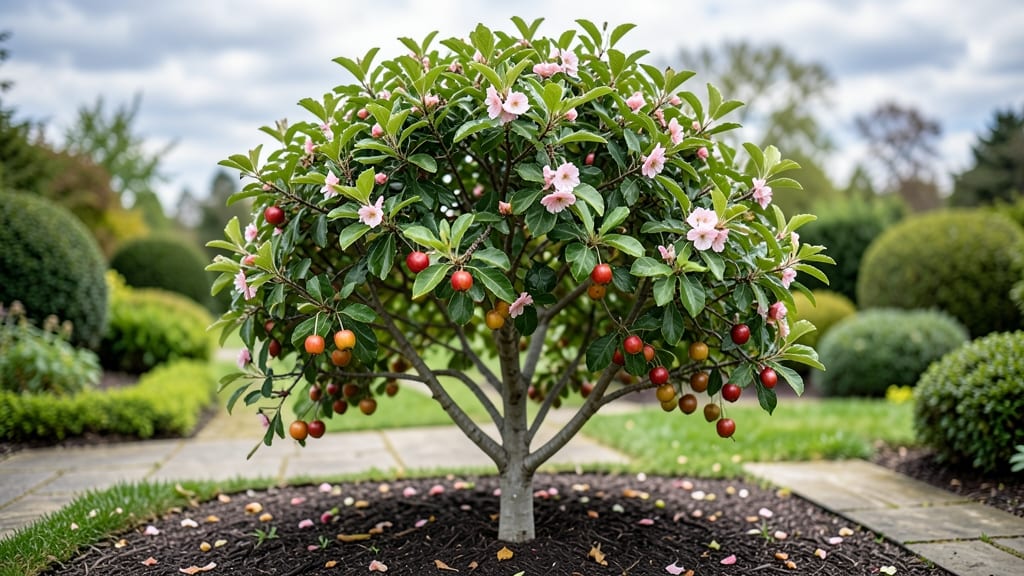
The lollipop crabapple tree offers the perfect blend of beauty and practicality for small spaces, but there are pros and cons to consider before planting. 🌸 Their compact size—typically reaching 12-15 feet—makes them ideal for urban yards, patios, or even large containers, while their abundant spring blooms and persistent fruit create year-round interest.
But before planting, consider the trade-offs: their small fruit isn’t the best for eating, and dropped apples can create a messy cleanup.
The real magic happens in late spring when clusters of pink or white blossoms cover the tree, followed by glossy red or yellow fruit that birds adore. Pruning is minimal—just remove dead branches annually—but watch for fire blight or aphids, which can plague these trees if conditions aren’t right.
A sunny spot with well-drained soil keeps them thriving with less fuss than full-sized apple trees.
For gardeners prioritizing curb appeal over harvests, lollipop crabapples deliver four-season interest: fragrant flowers, colorful fruit, and even attractive bark in winter. Their dwarf stature also means they’re easier to maintain, prune, and fit into tight landscapes without sacrificing drama. Just be prepared to rake fallen fruit regularly.
Best for urban landscapes, foundation plantings, or as a standalone specimen, this tree shines when planted near seating areas or walkways where you can enjoy its show without the space demands of larger varieties. With the right care, it becomes a low-maintenance centerpiece that outperforms many ornamentals.
The first product explained
The Lollipop Crabapple Tree (Malus spp.) is a compact, ornamental favorite that blends beauty with practicality—perfect for small gardens, urban landscapes, or even container gardening. 🌳✨ Known for its striking, rounded shape (thanks to its unique "lollipop" pruning style), this tree stands out as both a decorative centerpiece and a low-maintenance option.
Let’s dive into what makes this tree a standout choice for homeowners and landscapers alike.
📏 Specs & Features
- Size: Typically grows 6–10 feet tall and 4–6 feet wide, making it ideal for tight spaces. Dwarf varieties can stay under 5 feet!
- Growth Rate: Moderate—expect 12–24 inches per year, so it won’t outgrow its space quickly.
- Fruit: Produces small, ornamental crabapples (not edible for humans, but great for wildlife!). Colors range from red, pink, or yellow, adding seasonal interest.
- Blooms: Showy spring flowers in shades of pink or white, attracting pollinators like bees and butterflies.
- Foliage: Glossy, deep green leaves that turn gold or red in fall, extending the tree’s visual appeal.
- Hardiness: Thrives in USDA Zones 4–8, handling both cold winters and hot summers.
- Sunlight: Prefers full sun (6+ hours/day) but tolerates partial shade.
- Soil: Adaptable to most soil types, though well-draining soil is ideal to prevent root rot.
🎯 Target Users
This tree is a dream for:
- Urban gardeners with limited space who want curb appeal without sacrificing functionality.
- Wildlife enthusiasts looking to support birds and bees with its fruit and flowers.
- Low-maintenance landscapers who appreciate its dwarf stature and minimal pruning needs (though regular shaping keeps it lollipop-shaped!).
- Homeowners in HOAs or small yards where larger trees aren’t an option.
- First-time tree planters who want a hardy, forgiving species with year-round interest.
💰 Price Point & Availability
The Lollipop Crabapple Tree is budget-friendly compared to larger ornamental trees, with prices typically ranging from:
| Size/Type | Price Range (USD) |
|---|---|
| 1–3 gallon container (young tree) | $40–$80 |
| 5–15 gallon container (mature dwarf) | $80–$150 |
| Bare-root (best for fall planting) | $30–$60 |
Pro tip: 💡 Check local nurseries or online retailers like Fast-Growing-Trees.com or Arbor Day Foundation for sales, especially in early spring or fall.
With its versatility, affordability, and year-round charm, the Lollipop Crabapple Tree is a no-brainer for anyone wanting a small but mighty addition to their outdoor space!
The second product explained
🌳 Meet the Malus 'Lollipop'—the ultimate compact crabapple for small spaces and big flavor! 🍎✨
📏 Specs & Features
This dwarf crabapple tree is a space-saving powerhouse, growing just 15–20 feet tall (with a 10–15-foot spread)—perfect for urban yards, patios, or even large containers. Here’s what makes it stand out:
- Fruit: Bite-sized, sweet-tart crabapples (about 1-inch wide) that ripen in late summer to early fall. They’re edible but tart—ideal for jams, jellies, or fresh snacking (if you’re brave!).
- Blooms: Pink spring flowers that attract pollinators and add seasonal color before the fruit appears.
- Foliage: Dark green, glossy leaves that turn yellow-orange in fall, extending the tree’s curb appeal.
- Hardiness: Thrives in USDA Zones 4–8, making it versatile for most climates.
- Growth Rate: Slow to moderate (12–18 inches per year), so it won’t outgrow its space quickly.
- Pruning Needs: Low-maintenance but benefits from annual shaping to encourage dense growth and fruit production.
🎯 Target Users
This tree is a dream for:
- Urban gardeners with limited yard space.
- Small-space homesteaders who want fruit without sacrificing aesthetics.
- Beginner pruners—its manageable size makes it pruning-friendly!
- Wildlife enthusiasts (birds and bees love it!).
- Landscapers designing low-maintenance, high-impact gardens.
💰 Price Point & Availability
The Malus 'Lollipop' typically costs $40–$80 per tree, depending on size and retailer. You’ll find it at:
- Nurseries (local or online, like Fast-Growing-Trees.com or Nature Hills).
- Garden centers (check for bare-root or potted options).
- Specialty fruit tree sellers (often with guarantees on hardiness).
Pro Tip: 💡 Buy in early spring or fall for the best selection and healthier root systems!
Head-to-head comparison
Choosing between the compact charm of a lollipop crabapple tree and the rich fruit rewards of a standard variety isn’t just about aesthetics—it’s a balance of practicality, patience, and purpose.
Below, we break down the key dimensions in a side-by-side comparison to help you decide which tree fits your yard, goals, and lifestyle. 🌳🍏
📏 Size & Space Requirements
The most glaring difference between lollipop crabapples and their standard counterparts is size. Here’s how they stack up:
| Metric | Lollipop Crabapple | Standard Crabapple |
|---|---|---|
| Mature Height | 6–10 feet | 15–25 feet |
| Mature Spread | 4–8 feet | 12–20 feet |
| Growth Rate | Slow to moderate (1–2 ft/year) | Moderate to fast (2–3 ft/year) |
| Best For | Small yards, containers, urban landscapes, or as a focal point | Large properties, privacy screens, or traditional orchards |
Pro Tip: 💡 If you’re tight on space, a lollipop crabapple is your best bet—but be prepared for slower growth. For a quicker canopy, consider a semi-dwarf variety!
🍎 Fruit Production & Bounty
Lollipop crabapples are bred for ornamental value, not fruit abundance. Here’s what to expect:
- Fruit Size: Lollipops produce tiny (pea-sized) apples—great for birds and squirrels, but not for baking or snacking. Standard crabapples yield 1-inch fruits, still small but more substantial.
- Harvest Quantity: Lollipops may produce 50–100 fruits per tree annually, while standard trees can yield 500+ (though they’re still not a commercial crop).
- Edibility: Both varieties are highly tart and best used for jellies, sauces, or fermented drinks. Rarely eaten fresh!
- Fruit Drop: Lollipops shed fruit earlier and more aggressively (messy!), while standard trees hold onto theirs longer.
Pro Tip: 🌡️ If you love crabapple jelly, plant a standard tree—you’ll need 10–15 lbs of fruit for a single batch. Lollipops? You’ll be chasing squirrels instead!
🌿 Pruning & Maintenance
Lollipop crabapples are low-maintenance darlings, but their pruning needs differ from standard trees. Compare:
| Task | Lollipop Crabapple | Standard Crabapple |
|---|---|---|
| Pruning Frequency | Minimal (1–2 times/year for shape) | Regular (2–3 times/year to control size/fruit load) |
| Structural Pruning | Already pruned into a single trunk with a rounded top (lollipop shape) | Requires formative pruning in early years to establish branches |
| Deadheading | Rarely needed (fewer blooms = less debris) | Essential (remove spent flowers to encourage fruit production) |
| Mess Factor | ⭐⭐ (Moderate—fruit drop is localized) | ⭐⭐⭐⭐ (High—dropped fruit and petals can be everywhere) |
Pro Tip: ✨ Lollipops are pruning-perfect for beginners—their shape is already done for you! Just trim back any wayward branches in late winter.
💰 Cost & Value
Price varies by nursery, but here’s a general snapshot of what you’re paying for:
| Factor | Lollipop Crabapple | Standard Crabapple |
|---|---|---|
| Initial Cost (5-gallon tree) | $50–$120 | $60–$150 |
| Long-Term Savings | ✅ Lower (less pruning, no fruit harvesting) | ❌ Higher (more pruning, potential fruit cleanup) |
| Resale Value | Low (ornamental only) | Moderate (desirable for fruit-bearing trees) |
| Best Investment For | Small-space landscapers, urban gardeners | Homesteaders, jelly makers, or those with large yards |
Pro Tip: 🎯 If you’re on a budget, lollipops offer more bang for your buck in terms of low-effort beauty. Standard trees cost more upfront but may pay off if you love DIY fruit projects!
🌧️ Climate & Hardiness
Both varieties are hardy and adaptable, but their ideal conditions differ slightly:
- USDA Zones: Both thrive in Zones 4–8, but lollipops may handle urban heat islands better due to their compact size.
- Sunlight Needs:
- Lollipop: Full sun (6+ hours/day) for best blooms/fruit.
- Standard: Partial shade tolerated (though fruit production suffers).
- Drought Tolerance:
- Lollipop: Moderate (smaller root system = dries out faster).
- Standard: Better (deeper roots access more water).
- Soil Preferences: Both prefer well-draining soil, but lollipops are more forgiving of clay or rocky soil.
Pro Tip: 🔥 For dry climates
Which one should you choose?
So, is the Lollipop Crabapple Tree the right pick for your garden? The answer depends on your priorities—whether you’re dreaming of a low-maintenance ornamental or a compact fruit-bearing tree. Here’s a quick verdict to help you decide:
✨ Best for Small Spaces & Ornamental Appeal
If you love neat, tidy landscapes and don’t need fruit, this tree is a no-brainer. Its dwarf size, minimal pruning needs, and year-round interest (thanks to those showy blooms and persistent fruit) make it perfect for:
- Urban gardens or tiny yards
- Container gardening (with proper care)
- Landscaping projects where height control is key
- Homeowners who want low mess (fewer fallen apples = less cleanup!)
🍎 Best for Fruit Lovers (With Compromises)
If you’re crazy about crabapples but lack space for a full-sized tree, the Lollipop is a decent middle-ground. However, expect:
- Smaller harvests compared to standard varieties (but still tasty and great for jellies/jams!)
- More pruning effort to encourage fruiting (since its natural shape isn’t fruit-focused)
- A trade-off in ornamental value—it won’t look as striking as a non-fruiting crabapple
Pro tip: 💡 If fruit is your top goal, consider pairing this tree with a pollinator-friendly companion (like a nearby flowering shrub) to boost fruit set!
⚠️ Not Ideal For...
Skip the Lollipop Crabapple if:
- You need a heavy fruit crop (opt for a standard crabapple or dwarf fruit tree like ‘Dolgo’ crabapple instead).
- Your yard has limited sunlight (it thrives in full sun, 6+ hours/day).
- You’re allergic to apple pollen (these trees produce it in spring!).
- You want a wild, natural look—this tree is manicured by design.
🌟 Final Recommendation: The Verdict
For aesthetics and ease, the Lollipop Crabapple is a 5-star winner. For fruit production, it’s a 3-star compromise. Here’s the breakdown:
| Priority | Rating | Best For |
|---|---|---|
| Ornamental Value | ⭐⭐⭐⭐⭐ | Small gardens, containers, low-maintenance landscapes |
| Fruit Production | ⭐⭐⭐ | Occasional harvests, jams/jellies, pollinator support |
| Pruning Effort | ⭐⭐⭐⭐ | Busy homeowners, minimalists |
| Wildlife Appeal | ⭐⭐⭐⭐ | Birds (fruit), bees (flowers), butterflies |
Bottom line: Plant this tree if you prioritize form over function—it’s a charming, fuss-free addition to any small space. If fruit is your main goal, supplement with another variety or choose a different dwarf tree. 🌳💚