
Trees
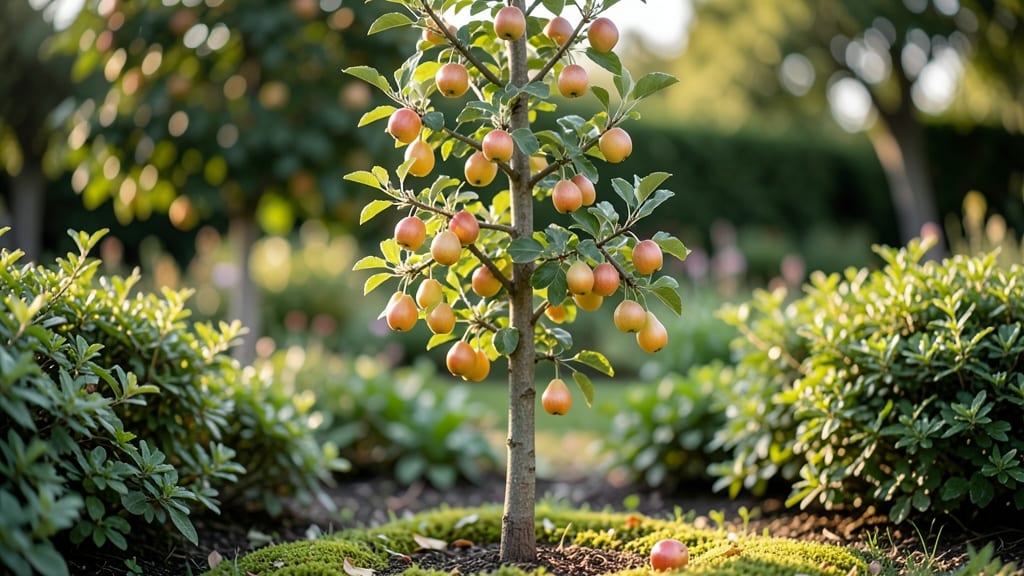
Looking to grow your own small, pear-like fruits without needing a large orchard? These 10 fast-growing trees produce delicious, bite-sized harvests perfect for home gardens, urban yards, and small-scale orchards.
Dwarf Asian Pear Trees
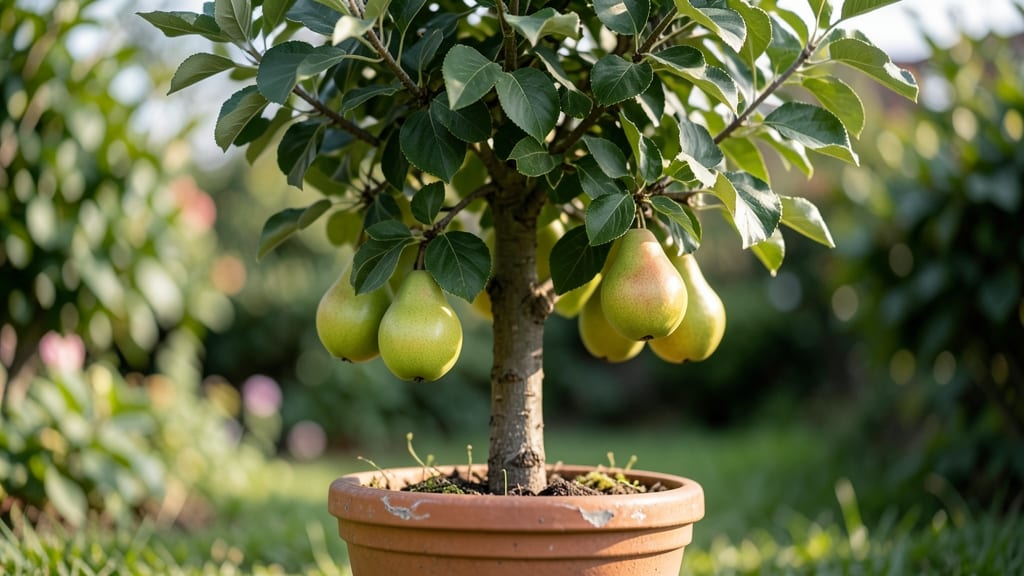
If you’ve ever dreamed of harvesting your own pears but lack space for a full-sized tree, dwarf Asian pear trees like 'Seiki' or 'Niitaka' are your perfect solution. These compact varieties grow just 6–10 feet tall, making them ideal for containers, patios, or small yards—yet they deliver the same sweet, crisp fruit you’d expect from a traditional orchard.
One of their standout features is their rapid fruiting time: with proper care, you can enjoy your first harvest in just 2–3 years. These trees thrive in full sun to partial shade and tolerate a range of soil types, though well-draining soil prevents root rot. For container growing, choose a pot at least 18 inches wide and use a high-quality potting mix with added compost. Prune lightly in late winter to shape the tree and encourage airflow, which reduces disease risk.
Urban gardeners and small-space growers will love how these trees fit seamlessly into balconies, courtyards, or even as focal points in mixed borders. Their early harvests also mean you’ll beat the summer heat and enjoy fruit at its peak flavor. 🌱
Japanese Plum Trees
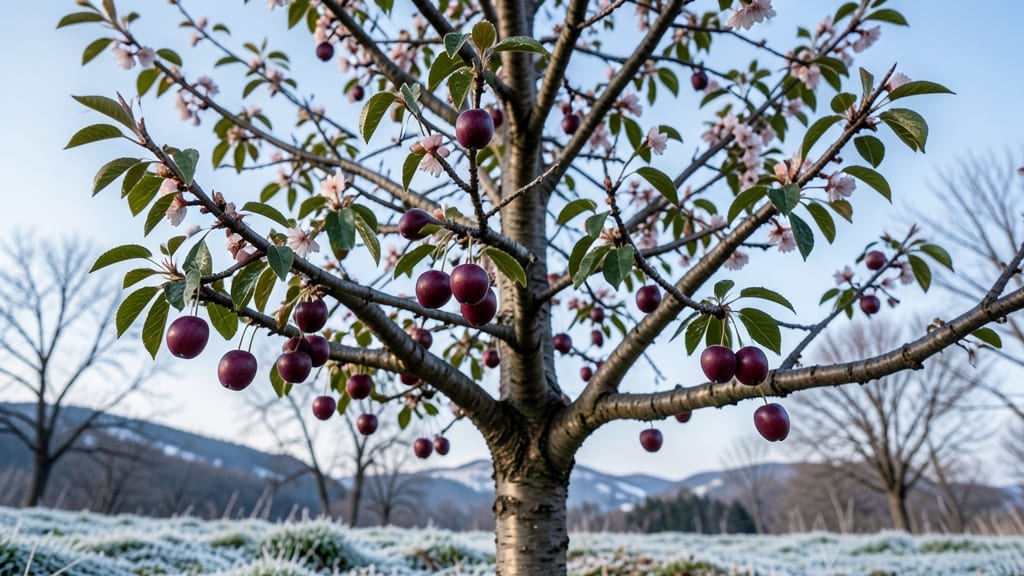
Want a fast-growing fruit tree that thrives in cold climates and delivers small, flavorful plums in record time? Japanese plum trees (Prunus salicina) are your answer—some varieties produce fruit in just 3 years, making them perfect for impatient gardeners.
These trees handle USDA zones 5-9 and prefer full sun, though they tolerate partial shade. Their tart-sweet plums (about 1-2 inches wide) are ideal for jams, preserves, or fresh snacking. Varieties like 'Santa Rosa' or 'Methley' are especially fast and productive, while 'Friar' offers disease resistance. Prune in late winter to shape the tree and improve airflow.
Urban gardeners and small-space growers will love how compact these trees stay—many reach just 15-20 feet tall. Plus, their early spring blooms add stunning color before the fruit appears. 🌟
Serviceberry Shrubs
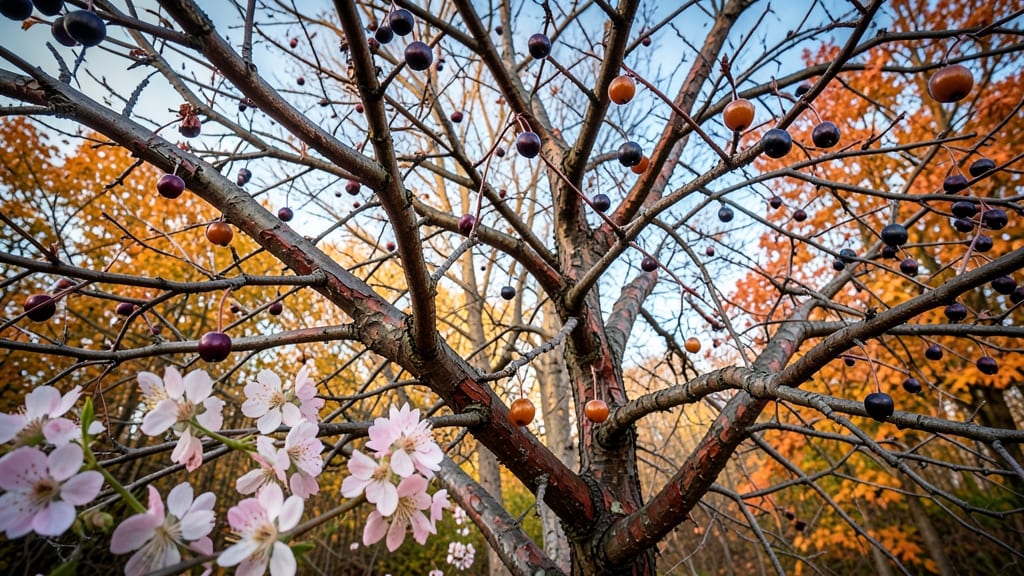
Skip the traditional tree and meet the serviceberry shrub—a multi-stemmed wonder that delivers pear-like berries with minimal fuss. Unlike its tree counterparts, this versatile plant thrives as a shrub, offering year-round interest from spring blooms to autumn foliage and winter berries that birds adore.
Serviceberries (genus Amelanchier) grow 10-20 feet tall, making them perfect for hedges, borders, or mixed shrub beds. They flourish in full sun to partial shade and tolerate a range of soils, including clay or rocky ground—ideal for urban gardens or wild landscapes. The amber berries ripen in late summer and burst with flavor, though they’re best eaten fresh or used in jams.
Wildlife lovers will appreciate how serviceberries attract pollinators and birds, while gardeners adore their low-maintenance nature. Perfect for beginners or busy gardeners, this shrub delivers beauty and bounty without the upkeep of a full-sized tree. 🌟
Chokecherry Trees
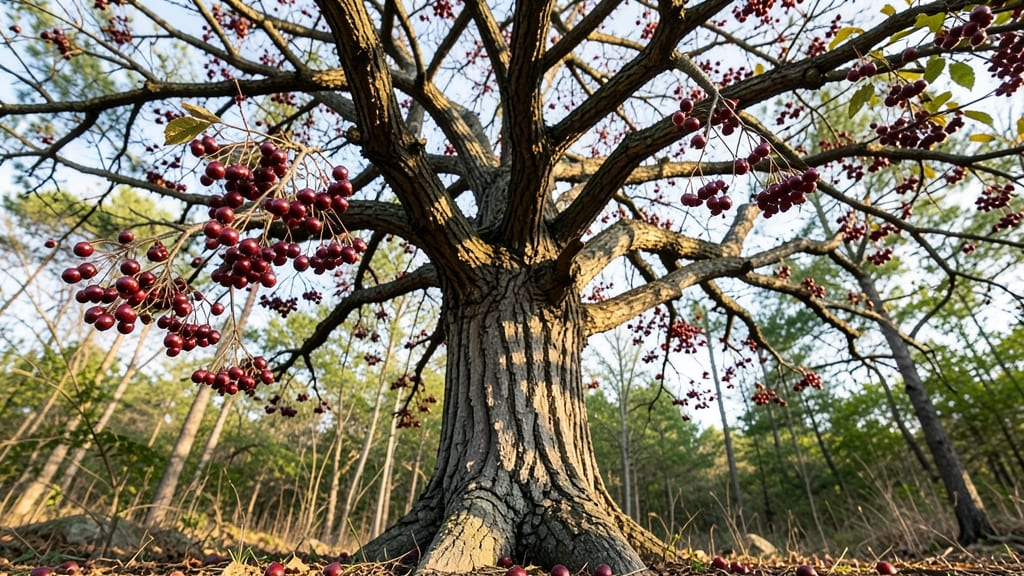
If you’re looking for a low-maintenance tree that thrives in tough conditions and rewards you with antioxidant-rich berries, chokecherries are the answer. These hardy trees produce small, tart berries that are perfect for jellies, syrups, or attracting wildlife—with almost no fuss.
Native to North America, chokecherries grow in USDA zones 2-7 and tolerate poor soil, drought, and even urban pollution. They produce dense clusters of dark red berries in late summer, and while they’re tart fresh, they’re packed with nutrients like vitamin C and antioxidants. Prune lightly in late winter to maintain shape and encourage fruit production.
Perfect for wildlife gardens, beginners, or anyone with limited time, chokecherries offer both beauty and utility. 🌿
Nanking Cherry Trees
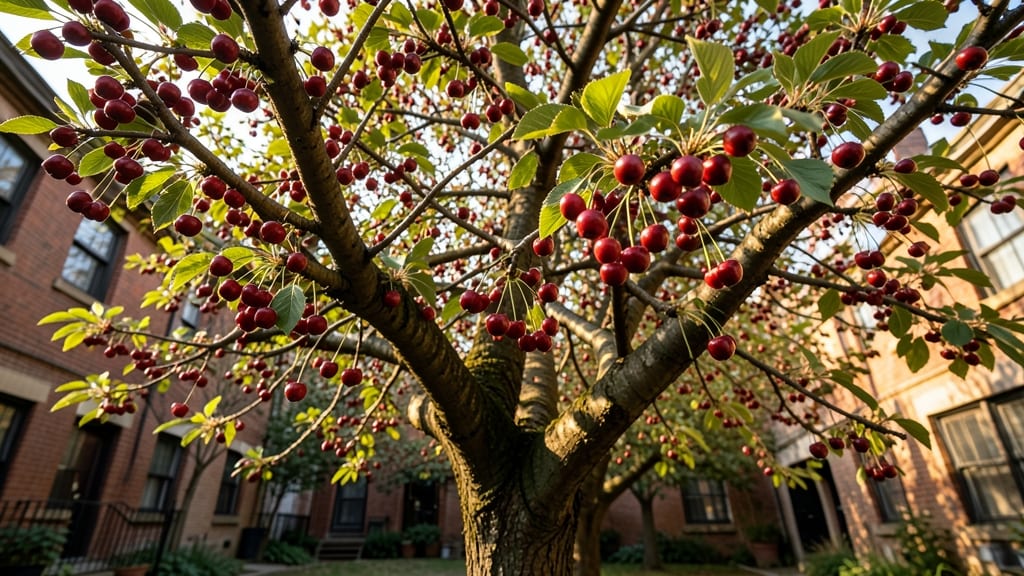
If you're craving a fast-growing fruit tree that fits snugly in urban spaces or small yards, Nanking cherry trees are your perfect match. These trees produce clusters of small, sweet cherries that ripen earlier than most varieties, giving you a head start on summer harvests.
Native to China, Nanking cherries thrive in USDA zones 5-9 and tolerate a range of soil types, though they prefer well-draining conditions. Their disease-resistant nature means fewer pesticides, and their compact size (typically 15-20 feet tall) makes them ideal for tight spaces. Prune lightly in late winter to shape the tree and encourage airflow, and enjoy fruit as early as late June in many climates.
Urban gardeners and small-space orchardists will love how these trees deliver year-round interest—from spring blossoms to summer fruit and autumn color. Plus, birds adore the cherries, adding a wildlife bonus! 🌻
Dwarf Pear Trees
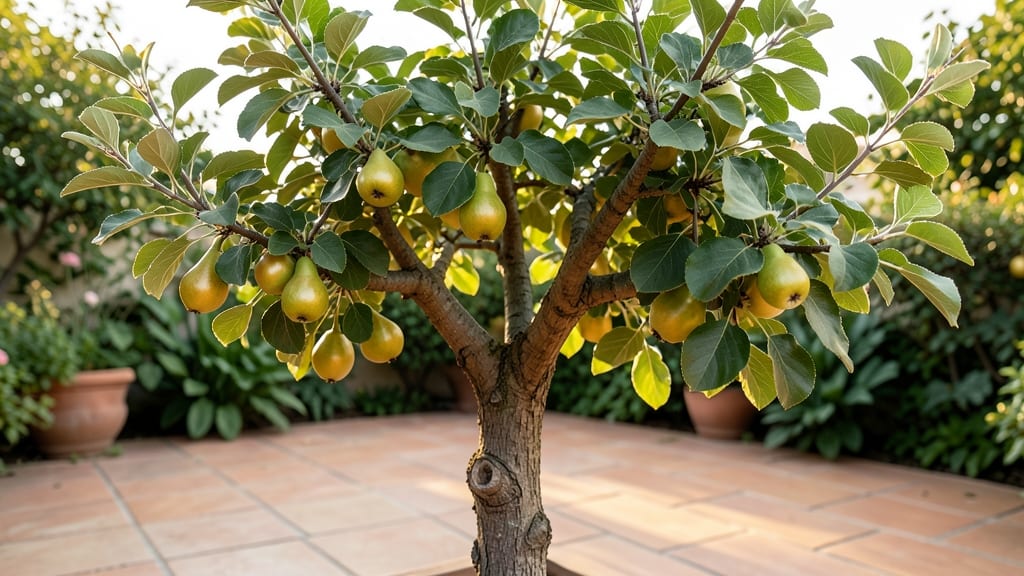
Want to enjoy fresh pears without dedicating an entire orchard? Dwarf pear trees like 'Hood' and 'Moonglow' deliver tiny, flavorful fruits on trees that stay under 8 feet tall—ideal for patios, balconies, or small yards. These varieties mature faster than standard pears, often producing fruit in just 2-3 years with minimal care.
Plant them in containers or in-ground beds with well-draining soil and full sun (6+ hours daily). Prune lightly in late winter to shape the tree and remove dead branches, but avoid heavy cuts—these compact trees thrive with minimal pruning. Harvest the golden-yellow pears in late summer to early fall when they soften slightly and release from the branch.
Perfect for urban gardeners or beginners, these trees offer year-round interest with attractive foliage and a rewarding harvest. 🌱
Jujube Trees
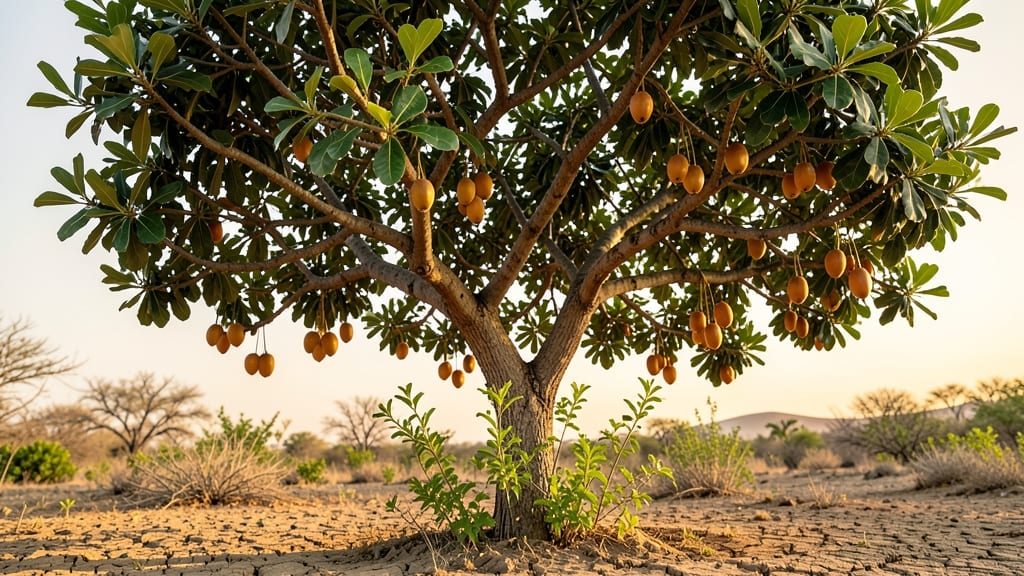
If you're looking for a low-water wonder that thrives in heat and produces edible fruit, jujube trees (Ziziphus jujuba) are your answer. These resilient trees grow quickly—some varieties reach maturity in just 3-5 years—and their date-like fruits (which taste like a mix of apple and pear) are packed with vitamins and fiber.
Native to dry regions of Asia and the Middle East, jujube trees handle full sun and drought conditions with ease, making them perfect for arid climates or water-conscious gardens. They’re also disease-resistant, requiring minimal pesticides or care. For best results, plant in well-draining soil and prune lightly in late winter to encourage airflow and fruit production.
Perfect for gardeners in USDA zones 7-10, jujube trees are a fantastic choice for those seeking edible landscaping with minimal effort. 🌱
Honeyberry Bushes
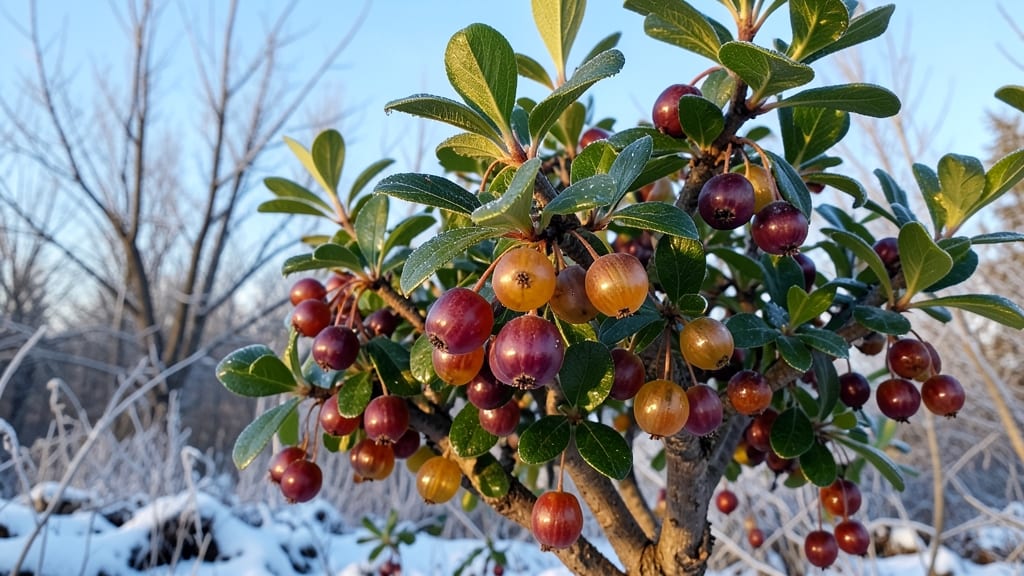
If you crave fresh fruit but live in a cold climate where traditional trees struggle, honeyberry bushes are your game-changer. These hardy shrubs produce clusters of mini pear-like berries that burst with sweet-tart flavor, often ripening as early as late May—sometimes weeks before other fruits!
Honeyberries thrive in zones 2-7, tolerating temperatures as low as -40°F, and prefer full sun to partial shade. Plant them in well-drained soil, and watch them flourish with minimal fuss—no fancy pruning required! The berries are packed with vitamin C and antioxidants, making them a nutritious snack straight from your garden. 💪
Perfect for small spaces, containers, or hedgerows, honeyberry bushes offer year-round interest with attractive foliage and winter hardiness. Urban gardeners and homesteaders will love their low-maintenance nature and early harvests. 🌱
Loquat Trees
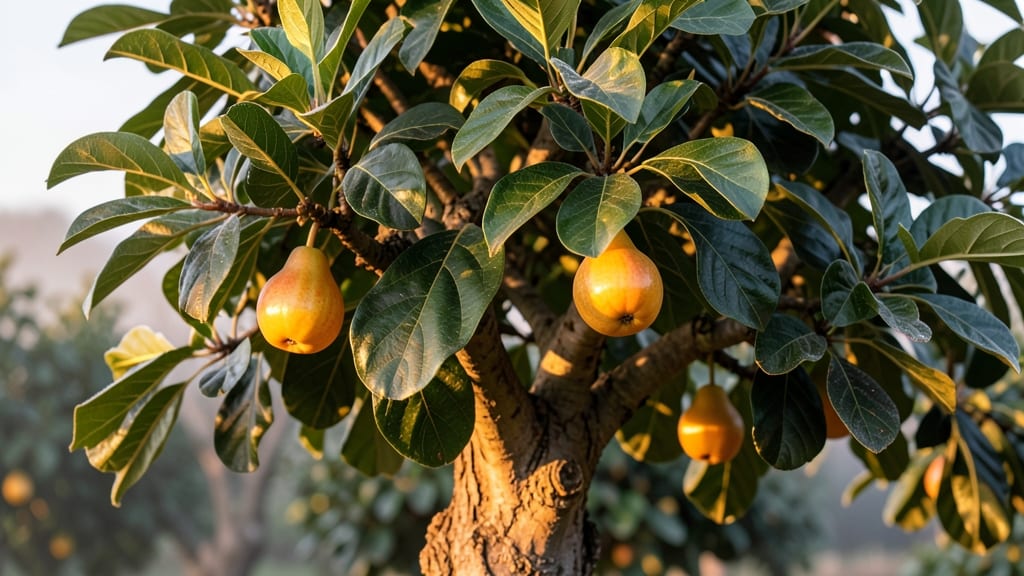
Want a tree that bridges tropical charm with cold-hardy resilience? Loquat trees (Eriobotrya japonica) deliver pear-shaped fruits with a floral, honey-like sweetness—perfect for gardeners in zones 8-10 who crave year-round interest.
These evergreen trees thrive in partial shade to full sun and produce fruit even in cooler microclimates, making them ideal for coastal gardens or urban yards. Prune lightly after harvest to encourage dense foliage and next year’s crop, and watch for pests like scale insects—neem oil keeps them at bay. The glossy, dark green leaves add lush texture year-round, while the orange-yellow fruits ripen in winter, offering a rare edible harvest when most gardens are dormant.
Urban gardeners and small-space orchardists will love how loquats fit neatly into ornamental landscapes while rewarding you with fresh, exotic fruit. 🌟
Dwarf Apple Trees

If you’ve ever dreamed of harvesting apples but lack the space for a full-sized tree, dwarf apple varieties like 'Columnar' or 'Spindle' deliver the same rewards in a fraction of the footprint. These trees produce tiny, pear-like apples—perfect for snacking, preserving, or gifting—while thriving in containers or small yards.
Columnar varieties grow vertically like slender columns (reaching just 8-12 feet tall), while Spindle types have a bushier shape (6-10 feet). Both require minimal pruning and can produce fruit within 2-3 years of planting. Choose self-pollinating varieties like 'Wijcik' or 'Red River' for hassle-free harvests, or pair with another dwarf apple for cross-pollination.
Urban gardeners and balcony growers will love these space-saving trees—they fit in 5-gallon pots and even tolerate partial shade. With proper care, you’ll enjoy year-round interest, from spring blossoms to winter fruit storage. 🌱