
Plants
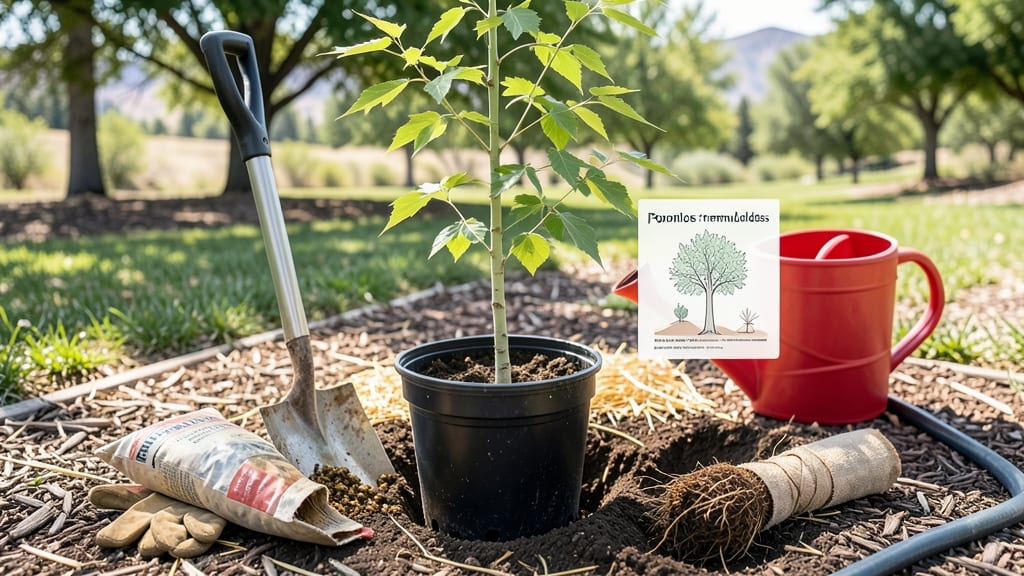
The best time to plant a tree in Colorado is late winter to early spring or fall—when soil is workable and frost risks are lowest.
Planting a tree in Colorado isn’t just about timing—it’s about avoiding the brutal winters, rocky soil, and unpredictable mountain weather that can make or break your sapling’s survival. Get the wrong timing, and your 🌳 could freeze, dry out, or struggle to establish roots before the next frost.
Colorado’s diverse climate means what works in Denver’s USDA Zone 5 won’t always suit the Western Slope’s Zone 7. Whether you’re planting a drought-resistant pine or a moisture-loving maple, knowing your region’s frost dates is the key to success.
Below, I’ll break down the exact planting windows by zone, soil prep tips for Colorado’s tricky conditions, and how to care for your tree once it’s in the ground—so it thrives for decades.
Colorado’s frost-free zones & ideal planting months by region
Colorado’s USDA Hardiness Zones 3-7 create dramatic differences in planting windows, especially between the Front Range plains and high-altitude mountain regions. In Denver (Zone 5b), for example, last frost dates average March 15, while Aspen (Zone 4a) can see frost until May 1.
These variations mean your tree planting timeline must align with your specific microclimate—or risk stunted growth or winter damage.
Most Colorado gardeners focus on two ideal planting windows: late winter/early spring (for bare-root trees) and fall (for container-grown trees). However, mountain regions shift these windows 2-4 weeks later due to higher elevations and colder soils.
Let’s break down the exact months for each zone, including Denver, Colorado Springs, Fort Collins, and high-altitude areas.
Pro Tip: Always check the Colorado State University Extension’s frost date maps for your specific location, as microclimates (like urban heat islands) can shift frost dates by 1-2 weeks. For example, Colorado Springs (Zone 5a) often warms up 10°F faster than Denver in spring due to its lower elevation and dry air.
| Region | USDA Zone | Last Frost Date | First Frost Date | Best Planting Window | Notes |
|---|---|---|---|---|---|
| Denver Metro | Zone 5b | Mid-March | Mid-October | Late April–May (spring) or September–October (fall) | Urban heat islands delay frost; avoid planting after Sept 15. |
| Colorado Springs | Zone 5a | Early March | Late October | Late April–May (spring) or August–September (fall) | Drier climate; water deeply 2x/week after planting. |
| Fort Collins | Zone 4b | Late April | Early October | May–June (spring) or August–early September (fall) | Wind exposure; stake young trees in open areas. |
| Eastern Plains (e.g., Pueblo) | Zone 6a | Early March | Mid-November | Late March–April (spring) or September–October (fall) | Higher heat; choose drought-resistant species like Russian Olive. |
| High Altitude (e.g., Aspen, Breckenridge) | Zone 4a | Early May | Late September | June–July (spring) or July–early August (fall) | Short growing season; use container-grown trees for faster establishment. |
In Denver and Colorado Springs, fall planting (September–October) is ideal because cooler temperatures reduce transplant shock, and trees establish roots before winter. However, high-altitude areas like Aspen require later planting (June–July) due to slow soil warming and late last frosts.
For bare-root trees, plant in late winter (February–March) while dormant, but cover roots with soil immediately to prevent freeze-thaw damage. Container-grown trees, on the other hand, can handle spring or fall planting—just avoid extreme heat or cold within 2 weeks of transplanting.
One common mistake? Planting too early in spring when soil is still frozen or too late in fall when frost is imminent. In Zone 4b (Fort Collins), for example, planting after September 15 risks root damage before winter dormancy sets in. Always <
Soil prep checklist: how to ensure your Colorado tree thrives after planting
Colorado’s alkaline soil and rocky terrain can make or break your tree’s survival. Before planting, I always test my soil’s pH level—most native trees like Ponderosa Pine and Cottonwood thrive in slightly acidic to neutral conditions (6.0–7.5).
If your soil tests higher, don’t panic—amendments like sulfur or peat moss can help balance it. Rocky soil? Break up those rocks with a shovel or rototiller to improve drainage and root penetration.
Next, choose the right tree species for your microclimate. Drought-resistant varieties like Russian Olive or Four-Wings Saltbush are perfect for the Eastern Plains, while moisture-loving trees like Willow or Aspen suit the Front Range.
Always match the tree’s water needs to your soil’s moisture retention—sandy soil drains fast, while clay holds water longer.
- 🔍 Test soil pH with a soil test kit (aim for 6.0–7.5). Colorado’s alkaline soil often needs sulfur or organic matter to adjust.
- 🪓 Break up rocks and loosen clay-heavy soil with a shovel or rototiller to improve root growth.
- 🌱 Amend soil with compost or aged manure (2–3 inches) to boost nutrients and moisture retention.
- 💧 Water deeply before planting to settle the soil and remove air pockets around roots.
- 🌳 Choose the right tree: Drought-resistant for dry areas, moisture-loving for wetter zones.
For container-grown trees, I always remove the plant from its pot to inspect the root ball. If roots are circling, gently tease them apart to encourage outward growth. Bare-root trees need a soaker hose or drip irrigation to keep roots hydrated during the first 30–60 days after planting.
Pro tip: Add a 2–3 inch layer of mulch around the base (but not touching the trunk) to retain moisture and regulate soil temperature.
Colorado’s high winds and temperature swings demand extra care. After planting, I stake young trees only if necessary—over-staking can restrict trunk growth. Use tree ties loosely and remove them once the tree is stable.
For high-altitude areas, like Aspen or Evergreen, add a windbreak of burlap or conifer branches to protect tender new growth.
Finally, monitor your tree’s progress. Yellowing leaves may signal nutrient deficiency or overwatering, while wilting often means underwatering or root stress. Adjust your care routine based on the tree’s response—Colorado’s unpredictable weather means flexibility is key.
With the right soil prep and aftercare, your tree will thrive for decades.
🌱