
Trees
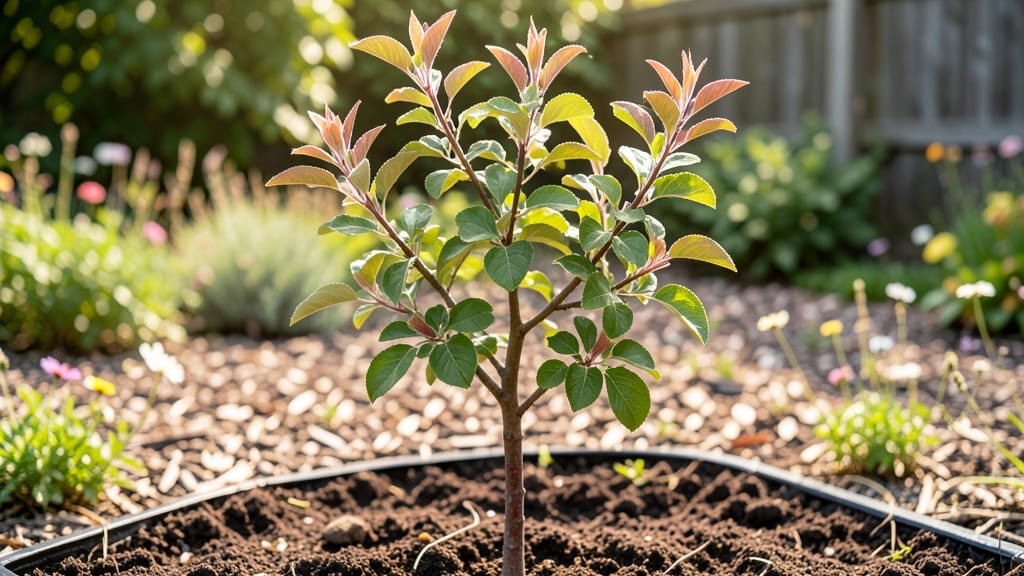
Your apple tree sapling leaves hold the key to a future orchard—if you prune them right. 🌿 The first year determines whether your tree grows strong branches or weak, leggy stems, and the secret isn’t just cutting back but understanding when and why to shape those leaves and stems.
New growth means new life, but untrained leaves lead to crowded canopies that trap moisture and invite disease. I’ve seen saplings go from sad, yellowing leaves to vibrant green canopies in just one season by pruning at the right times—spring for shaping, summer for thinning, and late fall for cleanup.
The goal? A balanced tree that produces fruit and stays healthy.
📚 In This Guide
- What you need
- Instructions
- Tips and common mistakes
- Wrapping up and next steps
What you need
- ● Apple tree sapling: A healthy 1–3-year-old sapling (bare-root or potted) with vibrant leaves—look for Malus domestica varieties like 'Honeycrisp' or 'Gala' for optimal growth.
- ● Pruning shears: Sharp, bypass-style shears (2–3 inches long) for clean cuts on small branches. Sterilize with rubbing alcohol between cuts to prevent disease.
- ● Hand pruners (loppers): For thicker branches (¼–¾ inch diameter), opt for ratchet-style loppers for leverage.
- ● Gloves: Heavy-duty, cut-resistant gloves (e.g., leather or synthetic blend) to protect hands from thorns and sap.
- ○ Pruning sealant: Tree wound dressing (optional but recommended for large cuts > ½ inch) to prevent disease entry.
- ● Mulch: 2–3 inches of organic mulch (e.g., wood chips or straw) to retain moisture and regulate soil temperature.
- ● Watering can or hose: With a gentle spray nozzle to avoid damaging tender leaves.
- ● Fertilizer: Balanced, slow-release fertilizer (10-10-10 NPK ratio) or compost for organic growth.
- ○ Staking kit (optional but helpful): 2–3 tapered wooden stakes (4–5 feet tall) and soft cloth strips for young saplings in windy areas.
- ● Pole saw: For higher branches (extendable 6–8 feet) if your sapling grows tall quickly.
- ● Disinfectant spray: 70% isopropyl alcohol or bleach solution (1 part bleach to 9 parts water) to clean tools.
- ● Soil tester kit: To check pH (ideal range: 6.0–7.0) and nutrient levels before planting.
- ● Shade cloth: Lightweight 30–50% shade fabric to protect young leaves from harsh afternoon sun.
- ● Label tags: Waterproof markers and stakes to label varieties if planting multiple saplings.
Step-by-Step guide to pruning apple tree sapling leaves for year-round growth
Here's how to shape your young apple tree into a strong, productive framework—without cutting too much too soon.
✂️ Step 1: Identify and Remove Dead or Crossing Branches First
Start by examining the sapling for branches that are dead, broken, or rubbing against each other. Dead branches will be dry, brittle, or grayish-brown, while crossing branches create wounds that invite disease. Use sharp pruning shears to cut these out at the branch collar—the swollen area where the branch meets the trunk.
I always make my cuts just outside the collar, at a 45-degree angle if needed, but never leave a stub. This prevents water from pooling and rotting the wound. If a branch is thicker than ½ inch, make a second cut slightly deeper to create a smoother surface that heals faster.
🌿 Step 2: Shape the Central Leader and Scaffold Branches
Young apple trees need a strong central leader (the main upward-growing branch) and 3-4 well-spaced scaffold branches that form the future canopy. Look for branches growing at 45-60 degrees from the trunk—these are your best candidates for scaffold branches.
If a scaffold branch is growing too upright, I cut it back by ⅓ to ½ to encourage outward growth. For the central leader, remove any competing branches that grow straight up from the trunk or main branches. These "water sprouts" steal energy from your tree's future fruit production.
☀️ Step 3: Thin the Canopy for Better Light and Airflow
Apple trees need sunlight to reach all leaves, so thin out branches that are too dense. Look for overlapping branches or those growing inward toward the center. Cut these back to the branch collar, even if it means removing 10-20% of the foliage—this encourages stronger growth on remaining branches.
I always step back to check the tree's shape after pruning. You should see light penetrating to the inner third of the canopy. If you can't see through to the center, keep thinning until you can. This prevents fungal diseases that thrive in dark, damp conditions.
⏰ Step 4: Time Pruning for Seasonal Growth
For saplings, the best time to prune is late winter or early spring, just before buds swell but before new growth begins. This gives the tree time to heal before summer heat stress. In mild climates, you can do a light pruning in summer after harvest to remove any vigorous new growth that's shading the center.
Never prune in fall—it encourages new growth that won't harden off before winter, making the tree vulnerable to cold damage. If you must prune in summer, do it on a cool, overcast day to reduce stress on the sapling.
🌱 Step 5: Clean Up and Protect the Tree
After pruning, sterilize your tools with rubbing alcohol to prevent spreading disease. Collect and dispose of all cut branches—don't leave them on the ground where they can harbor pests. I like to apply a thin layer of pruning sealant to cuts larger than ¼ inch to protect against infection.
Finally, water the base of the tree deeply to help it recover. Mulch with 2-3 inches of organic mulch (like wood chips) to retain moisture and regulate soil temperature. This keeps the roots happy while the tree focuses on healing its pruning wounds.
Tips & tricks for perfect year-round apple tree canopy growth
These simple strategies will help you shape your young apple tree for maximum health and fruit production—without over-pruning.
Branch Angle Matters: When selecting scaffold branches in Step 2, look for those growing at a 45-60 degree angle from the trunk. This creates the ideal structure for fruit-bearing branches later. If you see branches growing straight up (called "water sprouts"), remove them completely—they'll never bear fruit and steal energy from your tree's growth. Remember, the goal is to create an open vase shape that lets sunlight reach all leaves.
The 20% Rule for Canopy Thinning: In Step 3, don't be afraid to remove up to 20% of the foliage to thin the canopy. This might seem drastic, but it actually encourages stronger growth on the remaining branches. After pruning, step back and check if you can see light penetrating to the inner third of the canopy. If not, keep thinning until you can—this prevents fungal diseases that thrive in dark, damp conditions. Think of it as creating a window treatment that lets sunlight filter through evenly.
Seasonal Timing Secret: The late winter/early spring timing in Step 4 is critical because it gives your tree time to heal before summer heat stress. If you're in a mild climate and must prune in summer, choose a cool, overcast day to reduce stress. Never prune in fall—this encourages new growth that won't harden off before winter, making the tree vulnerable to cold damage. I've seen many gardeners make this mistake and end up with winter-damaged branches.
Wound Care for Long-Term Health: After making any cut larger than ¼ inch in Step 5, apply a thin layer of pruning sealant to protect against infection. For smaller cuts, just make clean cuts at the branch collar—no sealant needed. The key is to avoid leaving stubs, which trap moisture and create perfect conditions for disease. Think of it like giving your tree a bandage after surgery—it helps the wound heal properly and prevents complications.
Pro Tips for Apple Tree Sapling Leaves
- These simple strategies will help you shape your young apple tree for maximum health and fruit production—without ove...
- Branch Angle Matters: When selecting scaffold branches in Step 2, look for those growing at a 45-60 degree angle from...
- The 20% Rule for Canopy Thinning: In Step 3, don't be afraid to remove up to 20% of the foliage to thin the canopy. T...
Frequently asked questions
Got questions about nurturing your apple tree sapling’s leaves? You’re not alone! Here are answers to the most common concerns—from pruning timing to troubleshooting—so you can keep that canopy lush and thriving all year.
When is the best time to prune apple tree sapling leaves?
Prune your sapling dormant season (late winter/early spring, before buds swell) or right after harvest (fall). Avoid heavy pruning in summer—it stresses young trees. Light shaping in early spring promotes airflow and reduces disease risk. Pro tip: Use sharp tools to prevent tearing!
Can I prune apple tree sapling leaves in winter?
Yes, but only if the tree is fully dormant (no green leaves or buds). Winter pruning prevents disease spread (like fire blight) and makes it easier to see branch structure. Wait until temps are above freezing to avoid damaging tender wood. Warning: Avoid pruning during frost or snow.
What if my apple tree sapling leaves turn yellow or brown?
Yellowing leaves often signal nutrient deficiency (nitrogen) or overwatering. Brown edges? Check for underwatering or pests like aphids. Prune affected branches to improve airflow, and amend soil with compost. Quick fix: Test soil pH (ideal: 6.0–7.0) and adjust if needed.
How much should I trim off a young apple tree sapling?
Remove no more than 25% of the canopy in one session. Focus on:
- Dead/diseased branches
- Crossing or rubbing branches
- Suckers (shoots at the base)
Are there alternatives to pruning for managing sapling leaves?
Yes! Try:
- Thinning: Remove select leaves (not whole branches) to reduce shade and improve fruit quality.
- Fertilizing: Use balanced fertilizer (10-10-10) in early spring to boost leaf health.
- Mulching: Apply 2–3 inches of organic mulch to retain moisture and reduce stress.
Wrapping up and next steps
Growing a thriving apple tree sapling starts with understanding its leaves—and pruning is your secret weapon! 🌿 By mastering year-round trimming, you’ll foster a lush canopy, boost fruit production, and keep your tree healthy for decades.
Whether you’re a beginner or a seasoned gardener, every careful cut brings you closer to a bountiful harvest.
Ready to take the next step? Start small: pick one season to practice pruning, then expand your skills as your tree grows. Your future orchard—and that first crisp apple—will thank you! 🍏✨