
How To
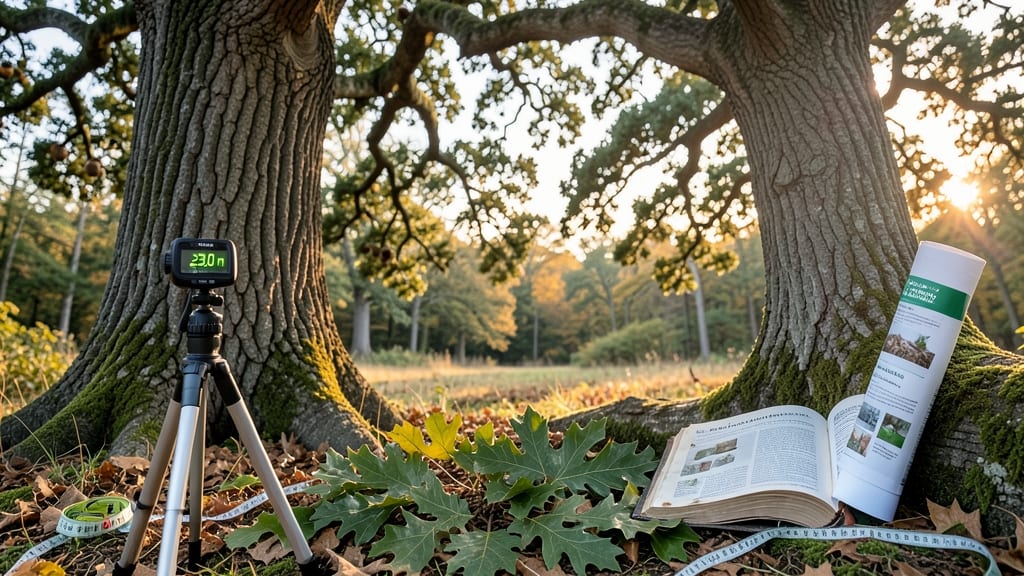
How tall can an oak tree grow? A massive oak can reach heights of over 100 feet 🌳, with some species achieving record-breaking dimensions that dwarf even the tallest buildings.
If you’ve ever gazed up at a towering oak and wondered just how massive these ancient giants can become, you’re not alone—some oak trees reach heights that defy imagination, shaping entire ecosystems as they grow.
From the towering white oak to the sprawling live oak, each species has its own growth potential, influenced by climate, soil, and care. Understanding these factors can help you nurture a healthy oak that thrives for centuries.
In this guide, we’ll break down the height ranges of common oak species, explore what makes them grow so tall, and share tips to encourage their full potential in your own backyard.


Maximum heights of oak tree species: from dwarfs to giants
Oak trees are among nature's most impressive giants, with some species reaching heights that rival skyscrapers. The white oak and red oak varieties dominate the tallest categories, while others like live oak and bur oak offer stunning alternatives.
Understanding these differences helps you choose the perfect oak for your landscape or appreciate the majesty of these ancient trees. Whether you're planning a backyard project or simply admiring nature, knowing how tall an oak can grow helps set realistic expectations.
Oak trees grow at different rates depending on their species, climate conditions, and care. Some varieties like the coast live oak can grow over 100 feet tall in ideal conditions, while others remain more manageable in size.
The key to maximizing height lies in providing the right environment—well-draining soil, full sunlight, and proper spacing. Even dwarf varieties can reach impressive heights, though they’re more suitable for smaller properties.
Did you know? The tallest oak tree ever recorded was a coast live oak in California, standing at a staggering 160 feet tall. This species thrives in coastal climates, benefiting from mild winters and consistent moisture. In contrast, white oaks in the eastern U.S. often reach 80-100 feet, while bur oaks tend to stay shorter, around 50-70 feet. These variations make oak trees incredibly versatile for different landscapes.
The white oak is one of the most iconic oak species, often reaching 100 feet or more in ideal conditions. These trees thrive in temperate climates with well-drained soil, making them a popular choice for parks and large estates.
Their slow but steady growth means they can live for centuries, continuing to add height over time. If you're planting a white oak, ensure it has plenty of space—at least 50 feet in all directions—to avoid overcrowding and promote vertical growth.
For those in coastal regions, the coast live oak is a standout. While it grows more slowly than white oaks, its ability to reach 160 feet in perfect conditions makes it a true giant.
These trees are also known for their drought tolerance and adaptability to sandy soils, making them ideal for California landscapes. Their sprawling branches create a stunning canopy, but their height potential is unmatched in coastal environments.
If you're working with limited space, consider the bur oak, which typically stays between 50-70 feet tall. This species is highly adaptable and thrives in prairie regions, making it a great choice for home gardens in the Midwest.
Bur oaks grow at a moderate pace, adding 1-2 feet per year, and their acorns are a valuable food source for wildlife. Their smaller stature doesn’t limit their beauty—many homeowners love their rugged appearance and resilience.
When planning to plant an oak tree, always research the mature height of the species you choose. Some varieties, like the pin oak, max out around 60 feet, while others like the white oak
How lifespan affects oak tree height: growth phases explained
Understanding how an oak tree grows over time reveals why some reach 100 feet while others stay shorter. Their height isn't just about genetics—it's a story of three distinct growth phases shaped by age, climate, and soil. Each phase offers unique opportunities (and challenges) for vertical expansion.
In the juvenile phase (first 10-20 years), oaks focus energy on establishing roots and early trunk growth. Their height gain may seem modest—just 1-3 feet per year—but this foundation determines their future potential. Poor soil or competition stunts them here, making early care critical.
Annual growth: 1-3 ft | Focus: Root establishment
Annual growth: 1-2 ft | Peak height potential
Annual growth: 0-1 ft | Height stabilizes
Warm climates: 10-20% faster growth | Cold climates: slower early growth
Well-drained soil: 2x height potential | Compacted soil: stunted growth
The mature phase (20-100+ years) is where oaks hit their stride. With deep roots and full canopy, they can add 1-2 feet annually—though growth slows as they near their genetic height limit.
This is when climate becomes decisive: live oaks in Florida may grow faster than white oaks in New England due to longer growing seasons.
As oaks enter their senescent phase (100+ years), height gains nearly stop. Their energy shifts to seed production and defense against pests. Surprisingly, some ancient oaks maintain their height for centuries, while others decline. Red oaks often live longer than white oaks, delaying this phase by decades.
Soil quality plays a hidden role. Oaks planted in sandy loam with 6.0-7.5 pH reach their maximum height potential. Compacted or waterlogged soil can reduce height by 30-50%.
Even in ideal conditions, genetics set the upper limit—coast live oaks hit 100 feet, while bur oaks typically max out at 70 feet.
Want to encourage height? Focus on early-phase care: protect young oaks from deer browsing, ensure full sun exposure, and avoid over-pruning in their first 20 years. The tallest oaks aren't just lucky—they're the result of perfect timing and conditions.