
How To
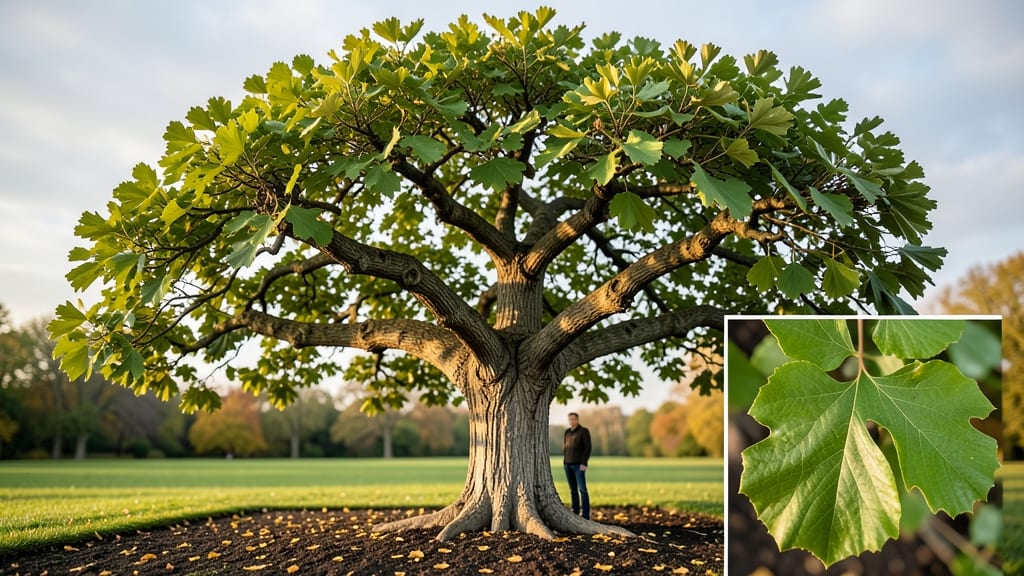
A ginkgo tree grows to how tall does a ginkgo tree grow heights between 30 and 100 feet at maturity, making it a true statement piece for any landscape—but its final size depends on far more than just time.
If you're dreaming of a majestic, long-lived tree that thrives in urban landscapes while adding timeless beauty to your garden, the ginkgo might be your perfect match—but first, you need to know: just how tall will it grow?
The answer isn’t one-size-fits-all. Some varieties, like the dwarf 'Princeton Sentry,' stay under 25 feet, while standard ginkgo trees can tower over three stories in ideal conditions. Climate, soil, and pruning all play a role in shaping its height.
In this guide, I’ll break down the height ranges by variety, how to control growth with care tips, and what to expect based on your local climate—so you can plan for a ginkgo that fits your space perfectly.


Ginkgo tree height by variety: from dwarf to giant specimens
Choosing a ginkgo tree means selecting a living monument—one that can live for centuries and dominate your landscape with its golden autumn foliage.
But before you plant, you need to know: how tall does a ginkgo tree grow? The answer varies dramatically by variety, from compact specimens perfect for small yards to towering giants that need acres of space.
Let’s break down the mature height ranges of the most popular ginkgo cultivars so you can pick the perfect fit for your garden.
Ginkgo trees are famous for their slow but steady growth, typically adding just 12–24 inches per year. However, some varieties stretch toward the sky at an impressive pace, while others stay manageable for urban settings.
The key to planning is understanding space requirements and growth rates—whether you’re planting near your home, along a street, or in a large estate. Below, we’ll explore the height spectrum, from dwarf ginkgos that top out at 25 feet to standard varieties that reach 100 feet or more.
Here’s the critical question: Do you want a ginkgo that fits neatly in your backyard or one that becomes the centerpiece of your property? The choice depends on your available space, pruning goals, and even your neighborhood’s height restrictions.
For example, a Princeton Sentry ginkgo stays under 40 feet, making it ideal for suburban lots, while a standard Ginkgo biloba can dwarf a three-story building. Let’s dive into the specifics so you can make an informed decision.
| Variety | Mature Height (ft) | Growth Rate (in/yr) | Ideal Planting Space | Best For |
|---|---|---|---|---|
| Ginkgo biloba 'Fastigiata' | 50–70 ft | 12–24 in | Large yards, parks | Tall, narrow canopies |
| Ginkgo biloba 'Princeton Sentry' | 25–40 ft | 10–18 in | Suburban lots, streets | Urban landscapes |
| Ginkgo biloba 'Autumn Gold' | 30–50 ft | 12–20 in | Medium to large yards | Vibrant fall color |
| Ginkgo biloba 'Horstman's Giant' | 60–100 ft | 18–30 in | Rural properties, estates | Monumental specimens |
| Ginkgo biloba 'Saratoga' | 15–25 ft | 8–15 in | Small yards, containers | Dwarf varieties |
| Ginkgo biloba 'Mariken' | 40–60 ft | 15–24 in | Medium to large spaces | Fast-growing, colorful |
If you’re eyeing a standard ginkgo tree like Horstman’s Giant, be prepared for a 100-foot-tall giant that will cast shade for generations. These varieties need ample space—at least 50 feet from structures—and thrive in rural settings where they can spread their roots freely.
On the other hand, dwarf varieties like 'Saratoga' are perfect for small gardens, patios, or even large containers, topping out at just 25 feet.
For urban gardeners, the Princeton Sentry is a game-changer. This columnar ginkgo grows upright and narrow, reaching only 25–40 feet, making it ideal for tight spaces like streets or small backyards. Its slow, controlled growth means you won’t need aggressive pruning to keep it in check.
If you love the golden autumn foliage but lack space for a giant, this is your best bet.
One common misconception is that all ginkgo trees grow at the same rate. In reality, growth rates vary by variety and climate. For instance, 'Mariken' grows faster than 'Fastigiata', adding up to 30 inches per year in ideal conditions.
Meanwhile, dwarf varieties like 'Saratoga' grow at a glacial pace, adding just 8–15 inches annually. This means if you’re planting near power lines or buildings, you’ll need to plan for decades of growth—or commit to regular pruning.
Before planting, check your local height restrictions and setback requirements. Some cities limit tree height near sidewalks or roads, and ginkgos can easily outgrow these limits if not managed.
If you’re unsure, opt for a smaller variety or plan for pruning maintenance to keep the tree within bounds. Remember, g
How climate and growing conditions affect ginkgo tree height
The height of a ginkgo tree isn't just about genetics—it's heavily influenced by where and how you grow it. In USDA zones 4-8, where ginkgos thrive, your local climate can push a tree to reach 80+ feet or keep it stunted at 30 feet.
Let's break down how temperature, soil, sunlight, and even urban pollution play a role in shaping your ginkgo's stature.
First, consider your temperature zone. Ginkgos love cool climates but can handle heat if given proper care. In colder zones (4-6), trees grow slower but develop stronger wood, often reaching 60-80 feet with proper spacing.
Meanwhile, in warmer zones (7-8), they may grow faster but can become less structurally robust without consistent moisture.
Soil quality makes a surprising difference too. Ginkgos prefer well-draining, slightly acidic soil (pH 6.0-7.5). In compacted urban soils, roots struggle to spread, limiting height to 40-50 feet even in mature specimens. Amend your soil with compost or sand to encourage deeper root growth and taller growth potential.
🌳 Key Factors Affecting Ginkgo Height
- 🌡️ Climate: Cooler zones = slower but stronger growth (60-80 ft)
- 🌱 Soil: Well-draining soil = taller growth (up to 100 ft)
- ☀️ Sunlight: Full sun = 30% faster growth vs. partial shade
- 🏙️ Urban vs. Rural: Rural = 20% taller due to cleaner air
Pro Tip: Mulch annually with wood chips to improve soil quality and support taller growth.
Sunlight exposure is another critical factor. Ginkgos need at least 6 hours of direct sun daily to reach their full height potential. In urban settings with limited sunlight, trees may only grow to 30-40 feet, even with proper care.
If you're planting in a city, choose a south-facing location to maximize sunlight and encourage vertical growth.
Urban environments also bring unique challenges like air pollution and limited space. Ginkgos are surprisingly resilient to pollution, but their growth can be stunted by compacted soil and root competition from sidewalks or buildings.
In rural areas, where trees have more room to spread their roots, you'll often see taller, fuller specimens reaching heights of 70-100 feet.
To maximize your ginkgo's height, focus on these three key strategies: improve soil drainage, ensure full sun exposure, and give it plenty of root space. Even in urban areas, with proper care, you can coax a ginkgo to grow 20-30% taller than average.
Remember, patience is key—ginkgos grow slowly but reward you with decades of majestic height and beauty.