
How To
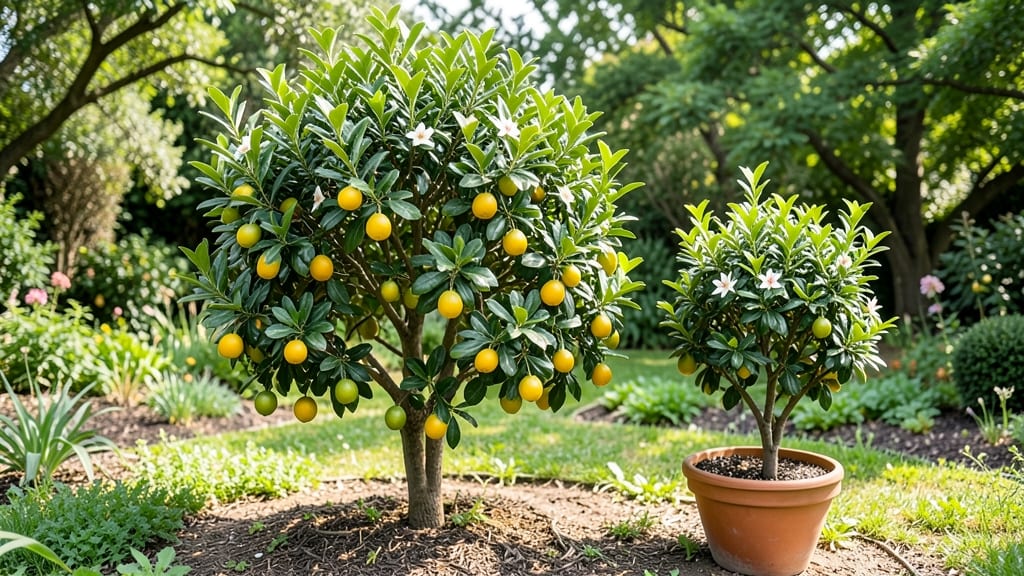
A kumquat tree grows to how tall does a kumquat tree grow heights between 4 and 20 feet, depending on whether you choose a dwarf or standard variety 🍊 — and that size difference can change how you plan your garden or balcony setup.
Picture this: a tiny dwarf kumquat thriving in a pot on your patio, its branches heavy with bite-sized citrus, while a full-sized tree stretches toward your roofline like a living room divider.
The choice isn’t just about space—it’s about how much fruit you’ll harvest and how much pruning you’re willing to tackle.
For standard varieties, think 8–12 feet at maturity, which means spacing them 10–15 feet apart if you’re planting multiple trees. But dwarf varieties stay compact at 4–6 feet, making them perfect for containers or small yards.
The key? Pruning early to shape the tree and control its growth before it outgrows its spot.
In this guide, I’ll break down the height differences, share pruning tips to keep your tree manageable, and reveal which varieties are best for tight spaces—so you can enjoy kumquats without sacrificing your garden layout.


Kumquat tree height guide: standard vs dwarf varieties explained
Choosing a kumquat tree often comes down to one key question: how tall does a kumquat tree grow? The answer varies dramatically between standard varieties and dwarf cultivars. Standard kumquat trees can reach 8–12 feet tall, while dwarf varieties stay compact at 4–6 feet.
Your space—and your patience—will determine which size suits you best. Let’s break down the differences so you can pick the perfect fit for your garden or patio.
If you’re dreaming of a backyard citrus grove, standard kumquat trees deliver the classic look with their towering canopies. These trees thrive when planted in well-draining soil with full sun exposure, but they require ample space to spread their branches.
On the other hand, dwarf kumquats are the ideal choice for containers or small yards, offering the same delicious fruit without the space commitment. Both types grow at a moderate pace, with noticeable height gains in their first few years.
Here’s the critical detail: dwarf kumquats mature in 3–5 years, while standard trees may take 5–7 years to reach their full height. This means dwarf varieties are faster to enjoy, both in terms of fruit production and space efficiency.
Whether you’re a beginner gardener or a citrus enthusiast, understanding these growth patterns will help you plan your planting strategy for success.
When deciding between a standard kumquat tree and a dwarf variety, consider your available space and garden layout. Standard trees need at least 10 feet of clearance all around to prevent overcrowding and ensure proper airflow.
This reduces the risk of fungal diseases like citrus blight. Dwarf kumquats, however, can thrive in 5-gallon containers or larger, making them perfect for balconies or rooftop gardens where space is limited.
One of my favorite aspects of growing kumquats is their versatility in cultivation. While standard trees are best suited for ground planting, dwarf varieties can be moved indoors during winter in colder climates (USDA Zones 8 and below).
This flexibility means you can enjoy kumquats even if you don’t have a traditional yard. Just ensure your container has drainage holes and use a well-draining potting mix to mimic outdoor conditions.
If you’re wondering how fast kumquat trees grow, the answer depends on the variety and growing conditions. Standard kumquats can add 3–5 feet in their first three years, while dwarf varieties grow slightly slower at 2–3 feet per year.
To encourage faster growth, provide regular watering, balanced fertilization, and prune selectively to shape the tree. Avoid over-pruning, as this can stunt growth and reduce fruit production.
For those with small spaces or urban gardens, dwarf kumquat varieties like 'Nagami' or 'Meiwa' are excellent choices. These cultivars produce abundant fruit while staying under 5 feet tall. Even in containers, they can yield dozens of kumquats per season if given the right care.
The key is choosing a sunny spot and a container that’s at least 12–18 inches in diameter for each year of the tree’s age.
Don’t overlook the importance of pruning for height control, especially if you’re growing a standard kumquat. Prune in late winter or early spring to remove overgrown branches and encourage a bushier shape.
This not only keeps the tree manageable but also improves air circulation and fruit quality. Use sharp, sterilized pruners to make clean cuts just above a leaf node or branch junction.
Whether you choose a tall standard kumquat or a compact dwarf, understanding their growth habits will set you up for success. Both types reward gardeners with sweet, tangy fruit that’s perfect for snacking or gifting.
Start small with a dwarf variety if you’re new to citrus growing, or go bold with a standard tree if you have the space. Either way, you’re in for a delicious harvest! 🍊
Best kumquat varieties for small spaces and containers
If you dream of growing kumquats but lack yard space, don’t worry—there are perfectly sized varieties for containers and balconies. These citrus gems thrive in pots when given the right care, producing abundant fruit without overwhelming your space.
Let’s explore the best dwarf and compact kumquat cultivars that fit small gardens effortlessly.
My top recommendation for beginners is the 'Meiwa' kumquat, a sweet-sour variety that stays under 5 feet tall in containers. It’s hardy, productive, and adapts well to balcony gardening.
Another standout is the 'Nagami', known for its elongated fruit and compact growth habit, making it ideal for urban patios. Both varieties are perfect for small-space fruit production.
🌱 How tall does a kumquat tree grow? Here’s a quick breakdown of the best compact options:
For maximum fruit production in containers, choose a 15–20 gallon pot with drainage holes. Use a well-draining citrus mix (equal parts potting soil, perlite, and compost) to prevent root rot.
Place your kumquat in a sunny spot—at least 6–8 hours of sunlight daily—and water deeply when the top inch of soil feels dry.
Prune your kumquat tree annually in late winter to maintain its shape and encourage bushier growth. Remove any dead or crossing branches and thin out overcrowded areas. This not only keeps your tree compact and manageable but also improves airflow, reducing disease risk.
With the right variety and care, you’ll enjoy homegrown kumquats in as little as 2–3 years!
Pro tip: Fertilize every 4–6 weeks during spring and summer with a citrus-specific fertilizer (like 6-6-6 NPK ratio). Avoid over-fertilizing, as this can lead to salt buildup in container soil. A little extra love goes a long way for these fruit-bearing beauties! 🌿