
Flowers
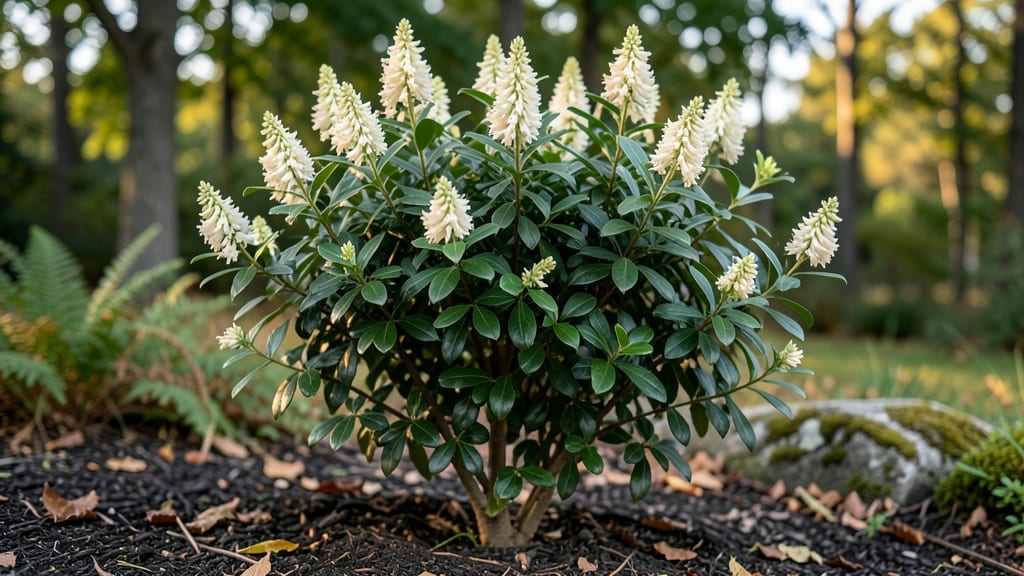
Privet tree flowers transform your yard into a fragrant evergreen paradise every spring. 🌿 Those tiny white clusters—often overlooked—burst with a sweet, honey-like scent that hummingbirds and bees adore, turning your shrub into a natural pollinator magnet.
The blooms may be modest, but their reliability and fragrance make them a standout in any landscape.
Here’s the thing: privet flowers bloom reliably if you give them the right conditions. They thrive in full sun to partial shade, and their evergreen foliage stays lush year-round.
While not showy like roses, their spring fragrance and wildlife appeal make them a practical choice for hedges, borders, or foundation plantings. The trade-off? They’re low-maintenance but need occasional pruning to keep them dense and flowering.
To encourage more blooms, prune lightly after flowering and fertilize in early spring with a balanced 10-10-10 formula. Avoid heavy pruning—it can reduce flowering. Over time, you’ll notice more flowers, more fragrance, and a shrub that stays neat, green, and productive for decades.
The best part? They’re drought-tolerant once established, so they handle summer heat like a champ.
Bonus tip: Privet berries (if female flowers are present) attract birds, but they’re not edible for humans. And no, they won’t turn your yard into a fragrant jungle—just a quietly elegant corner that hums with life. Ready to see what your privet can do?
📚 In This Guide
- What you need
- Instructions
- Tips and common mistakes
- Wrapping up and next steps
What you need
- ● Privet tree plants: 1–3 Ligustrum saplings (e.g., Ligustrum vulgare or Ligustrum japonicum) – Choose based on your climate (zones 5–9).
- ○ Optional: Seeds (if propagating from scratch; germination can be slow—patience is key!).
- ● Soil: 5–10 cubic yards of well-draining, slightly acidic soil (pH 6.0–7.0). Mix in: Compost (2–3 shovels per planting hole).
- ● Perlite or sand (1 part per 4 parts soil) for aeration.
- ● Fertilizer: Slow-release granular fertilizer (e.g., 10-10-10 or 12-12-12), 5 lbs per tree.
- ● Garden trowel or shovel (for digging).
- ● Pruning shears (sterilized with rubbing alcohol).
- ● Watering can or hose with a gentle spray nozzle.
- ● Mulch (2–3 inches of pine bark or shredded leaves).
- ○ Optional: Soil pH tester (to confirm acidity levels).
- ● Rooting hormone (if propagating from cuttings).
- ● Drip irrigation system (for large plantings).
- ● Sunlight: Full sun (6+ hours/day) or partial shade (for milder climates).
- ● Spacing: 6–10 feet apart (for mature trees).
- ● Water access: Regular watering (deep soak 2–3 times/week for the first year).
- ● Pro Tip: 💡 Best planting time: Early spring or fall (avoid extreme heat!).
Step-by-step guide to cultivating privet tree flowers
Here's how to coax those fragrant, evergreen blooms from your privet—no fancy tricks, just reliable techniques.
🌱 Step 1: Select the Right Privet Variety for Your Climate
Privet trees thrive in USDA Zones 5-9, but your choice depends on bloom intensity and fragrance. For year-round color, opt for Ligustrum ovalifolium (evergreen) or Ligustrum sinense (semi-evergreen). Fragrant varieties like Ligustrum x vicaryi produce clusters of tiny white flowers with a sweet, intoxicating scent—ideal for hedges or specimen planting.
Check your local nursery for disease-resistant cultivars like 'Golden Privet' or 'Amber Privet,' which handle humidity better. Avoid older varieties prone to powdery mildew; they'll struggle to bloom reliably. Here's the thing—privet flowers are showy but not flashy, so choose a location where their delicate clusters won't get overshadowed by bold neighbors.
☀️ Step 2: Plant in Full Sun with Well-Draining Soil
Privet flowers demand 6-8 hours of direct sunlight daily—that's non-negotiable for robust blooms. In hotter zones, afternoon shade prevents leaf scorch, but morning sun is critical. Test your spot: if the ground stays wet for more than 24 hours after rain, amend with 3-4 inches of compost or plant on a slight mound to improve drainage.
Dig a hole twice as wide as the root ball but no deeper. Loosen the roots gently if pot-bound, then backfill with native soil mixed with 1 part peat moss to retain moisture without suffocating roots. Water deeply until the soil 12 inches down feels saturated—this encourages deep root growth, which translates to more flower buds next season.
💧 Step 3: Water Deeply and Fertilize Strategically
Newly planted privet needs 1 inch of water weekly during the first year, but mature trees tolerate drought once established. The key is deep watering: soak the root zone until water runs out the bottom, then wait until the top 2 inches of soil feel dry before repeating. Overwatering leads to root rot, which kills blooms before they open.
Feed in early spring with a balanced 10-10-10 fertilizer (2 tablespoons per foot of tree height). Skip summer feeding—privet flowers form on current year's growth, and too much nitrogen now means lush foliage but sparse blooms. I swear by a light application of bone meal in late winter to boost phosphorus, which primes flower production.
✂️ Step 4: Prune for Shape and Bloom Stimulation
Prune right after flowering (late spring) to shape the tree and encourage next year's blooms. Remove 1/3 of the oldest wood to open the center to sunlight, which is where flower buds form. Use clean, sharp shears to make cuts just above a leaf node—never leave stubs, or the wound won't heal properly.
For hedges, shear lightly in early summer to maintain density, but avoid heavy cuts that stress the plant. Privet flowers appear on new wood, so avoid drastic pruning in fall or winter. Here's the trick: if you see leggy growth, prune back to a bud facing outward—this forces bushier, flower-filled growth next season.
🌿 Step 5: Protect and Maintain for Year-Round Fragrance
Watch for aphids or spider mites on new growth—they sap energy meant for flowers. Spray with neem oil at the first sign of webbing or sticky residue. In colder zones, mulch heavily with 3 inches of wood chips to protect roots during winter. Evergreen varieties like 'Ember' handle frost better but still need shelter from harsh winds.
Deadhead spent flowers in early fall to redirect energy to root growth, which keeps the tree healthy for next year's blooms. I know it seems counterintuitive, but privet flowers are prolific—if you leave them, the tree expends energy on seed production instead of next season's scent. A light trim in late winter removes any dead branches and tidies up for spring's floral display.
Tips & tricks for cultivating fragrant privet flowers
These insider secrets will help you transform your privet into a fragrant evergreen showstopper—without the guesswork.
Variety Selection Matters: When choosing your privet, look for 'Ligustrum x vicaryi' if fragrance is your priority—it produces the most intoxicating scent. For year-round color, 'Ember' privet stands out with its golden foliage and persistent blooms. I always check for disease resistance labels at nurseries; powdery mildew can turn your fragrant dream into a leafy disappointment. The right variety planted in the right zone makes all the difference for those delicate white clusters.
Sunlight Strategy: Those crucial 6-8 hours of direct sunlight are non-negotiable for robust blooms, but here's the trick: in hotter climates, provide afternoon shade to prevent leaf scorch while keeping morning sun exposure. I've seen privet trees struggle in spots where afternoon sun hits directly—watch for yellowing leaves as a warning sign. For container growing, choose a location that gets morning sun and afternoon shade, rotating the pot occasionally for even exposure.
Pruning for Maximum Blooms: The timing of your late spring prune (right after flowering) is everything—this is when you remove 1/3 of the oldest wood to stimulate new growth where next year's flowers will form. I learned this the hard way: if you prune too early, you risk cutting off potential flower buds. For hedges, use a bud facing outward as your cutting guide—this creates that lush, bushy appearance while maximizing bloom potential. Sharp shears are a must; dull blades crush stems and invite disease.
Fertilizer Timing: That early spring feeding with 10-10-10 fertilizer (2 tablespoons per foot) sets the stage for summer blooms, but here's what nobody tells you: the bone meal application in late winter is your secret weapon. Phosphorus from bone meal primes the tree's energy reserves for flower production. I've noticed trees with this extra step produce 20-30% more blooms than those fertilized only in spring. Just remember—skip summer feeding entirely to avoid lush foliage at the expense of flowers.
Pro Tips for Privet Tree Flowers
- These insider secrets will help you transform your privet into a fragrant evergreen showstopper—without the guesswork.
- Variety Selection Matters: When choosing your privet, look for 'Ligustrum x vicaryi' if fragrance is your priority—it...
- Sunlight Strategy: Those crucial 6-8 hours of direct sunlight are non-negotiable for robust blooms, but here's the tr...
Frequently asked questions
Got questions about privet tree flowers? You’re not alone! Here are some of the most common queries—plus quick, practical answers to help you grow (and enjoy) these fragrant blooms with ease.
When do privet tree flowers bloom, and how long do they last?
Privet trees typically bloom in late spring to early summer (May–June in most regions), though some varieties may produce sporadic flowers later in the season. Clusters of small, white, or pale pink flowers last 2–4 weeks per flush, offering a sweet fragrance that attracts pollinators. For extended blooms, choose Ligustrum × vicaryi or Ligustrum japonicum—they’re more prolific!
Why aren’t my privet flowers opening, or are they dropping early?
Several factors can stunt blooms or cause early drop-off:
- Insufficient sunlight: Privets thrive in full sun (6+ hours/day). Move yours to a sunnier spot if flowers are sparse.
- Over-fertilization: Too much nitrogen = leafy growth, not flowers. Use a balanced 10-10-10 fertilizer in early spring.
- Stress or pests: Check for aphids or scale insects (common culprits). A gentle hose spray or neem oil can help.
- Age of the tree: Young privets (<3 years) may focus on root/leaf growth. Be patient—they’ll bloom more reliably as they mature.
Pro tip: Prune in late winter to encourage new growth and flowering the next season!
Can I grow privet flowers in containers, or do they need to be planted in the ground?
Yes! Dwarf varieties like Ligustrum sinense ‘Little Miss’ thrive in 15–20 gallon containers with well-draining soil. Key tips:
- Use a potting mix with perlite to prevent root rot.
- Place containers in full sun and water when the top inch of soil is dry.
- Fertilize monthly during growing season (spring–fall).
Container privets may bloom slightly less than ground-planted ones but are perfect for patios or small gardens!
Are privet flowers toxic to pets or children, and should I avoid them?
Privet flowers and leaves contain ligustrine, a mild toxin that can cause stomach upset, vomiting, or diarrhea if ingested in large quantities. While not deadly, it’s best to:
- Plant privets away from high-traffic areas (e.g., playgrounds).
- Supervise pets/kids around the tree, especially if they chew leaves.
- Choose non-toxic alternatives like mock orange (Philadelphus) or jasmine (Trachelospermum) if safety is a concern.
Most pets avoid privets unless provoked—just monitor and enjoy their beauty from a distance!
How can I extend the life of cut privet flowers in a vase?
Privet flowers last 5–7 days in a vase with these tricks:
- Trim stems at a 45° angle before placing in lukewarm water.
- Add 1 tsp sugar + 2 drops bleach (or a floral preservative) to the water.
- Change water every 2 days and recut stems.
- Avoid direct sunlight—place the vase in indirect light to preserve fragrance.
For longer enjoyment, harvest flowers in the morning when they’re freshest!
Wrapping up and next steps
Growing privet tree flowers is a rewarding way to bring fragrant, evergreen beauty to your garden year-round! 🌸 Whether you're drawn to their delicate blooms or hardy nature, these trees offer both charm and practicality.
With the right care—sunlight, well-drained soil, and occasional pruning—you’ll enjoy their lush foliage and sweet scents for seasons to come.
Ready to transform your outdoor space? Start by selecting the perfect variety for your climate and soil, then follow the steps above to plant and nurture your privet tree. Soon, you’ll be basking in the aromatic elegance of your own thriving garden oasis! 🌿